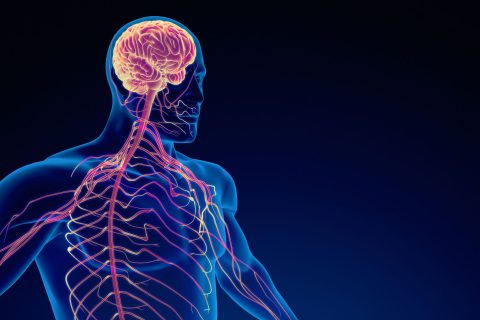
Sitting All Day Hurts Your Workouts

Many people believe that if they exercise several times per week, the effects of sitting all day are cancelled out. That idea sounds comforting, but it is not accurate. A workout is valuable, but it does not fully erase what happens when the body stays in one position for most of the day. Sitting all day changes the way muscles function, the way joints move, and the way the nervous system prepares the body for action.

When a person spends long periods at a desk, in a car, or on a couch, the body begins to adapt to that repeated posture. Hips remain bent, the chest often rounds forward, the shoulders drift inward, and the glutes become less active. These changes may seem minor at first, but over time, they can interfere with nearly every major movement pattern used in training. Squats, lunges, rows, overhead presses, and even walking mechanics can all be affected.

The issue is not just about comfort. Sitting all day can reduce the quality of your workouts. It can make it harder to activate the right muscles, harder to maintain proper form, and harder to recover well between sessions. That means you may be putting in real effort at the gym while still getting less than ideal results. Understanding how sitting all day affects the body is the first step toward fixing it.

How Sitting All Day Changes the Body

The Hips Stay in a Flexed Position

One of the biggest effects of sitting all day is what it does to the hips. In a seated position, the hip flexors remain shortened for hours. If that happens consistently, these muscles can become tight and overactive. At the same time, the muscles that should help extend the hip, especially the glutes, can become underused.

This creates a common imbalance. The front of the hips becomes stiff, while the back side of the body becomes less responsive. When you later try to move explosively or lift with power, the body may struggle to reach full extension. This can reduce strength output and increase stress on the lower back.

The Glutes Stop Contributing Properly

The glutes are essential for athletic movement, spinal support, and lower body power. Yet sitting all day often leads to what people casually call sleepy glutes. The glutes are still there, but they are not contributing with the same timing and force they should.
When that happens, other muscles step in to compensate. The lower back, hamstrings, or even the knees can start taking on more work than they should. This makes exercise less efficient and can increase the chance of strain.

The Upper Body Falls Into Poor Alignment

Sitting all day not only affects the lower body. It also influences the upper back, shoulders, neck, and ribcage. Many people sit with their heads pushed forward and their shoulders rounded. Over time, that posture can make it harder to breathe deeply, harder to maintain upper body tension, and harder to move the shoulders smoothly during pushing and pulling exercises.
A poor seated posture can carry into workouts. This is one reason some people feel stiff during rows, unstable during pressing exercises, or unusually fatigued during movements that should feel natural.

Why Your Workouts May Feel Less Effective

Warm Muscles Are Not Always Ready Muscles

Some people do a quick warmup and assume they are prepared to train well. But if you have been sitting all day, your body may need more than a few minutes of random movement. Muscles that have been inactive for hours often need proper activation and mobility work before they can perform effectively.
That means a person can technically start their workout while still carrying the mechanical effects of prolonged sitting. They may finish the session feeling tired, but not necessarily trained in the right way.

Strength Output Can Drop

If your hips are tight, your glutes are underactive, and your posture is compromised, your body cannot express strength as well as it could. You may notice this as reduced power on lower body lifts, less stability through the trunk, or poor endurance during compound movements.
A frustrating part of sitting all day is that it can make your workouts feel harder without making them more productive. You may push hard, but your body is not in the best position to produce force efficiently.

Recovery Can Also Be Affected

Movement helps circulation, joint nourishment, and tissue recovery. Sitting all day reduces how often the body shifts, rotates, and extends through natural ranges. That can contribute to stiffness between workouts and may leave you feeling more sluggish the next day.
Recovery is not just about sleep and food. It is also about how the body moves between training sessions. If the body stays static for most of the day, it may not recover as well as you expect.

Common Signs Sitting All Day Is Interfering With Progress

You Feel Tight Before Every Workout

If every training session starts with stiff hips, a tight lower back, or rounded shoulders, sitting all day may be part of the problem. It is one thing to need a warm-up. It is another to feel like your body is stuck in the same limited position every single time.

Your Glutes Rarely Feel Engaged

Many people do lower-body work, but mostly feel it in the quads or lower back. If the glutes are not engaging well, prolonged sitting may be limiting how effectively your body recruits those muscles.

You Keep Chasing Progress Without Seeing It

If you train consistently but your mobility, posture, and movement quality are getting worse, then the issue may not be your effort level. It may be the fact that sitting all day is creating a baseline that your workouts keep trying to fight against.

How to Fix the Damage From Sitting All Day

Move More Often During the Day

The simplest solution is also one of the most effective. Break up long periods of sitting. Stand up regularly, walk for a few minutes, or do a few bodyweight movements between work blocks. These small interruptions help remind the body that it is built for motion, not stillness.
You do not need a full workout every hour. Even brief movement breaks can help reduce stiffness and improve circulation. Consistency matters more than intensity here.

Use Short Mobility Sessions

A targeted mobility routine can make a major difference if you spend much of your day seated. Focus on the hip flexors, glutes, thoracic spine, and chest. These are common areas affected by sitting all day.
A good mobility session does not need to be complicated. Hip stretches, glute bridges, thoracic rotations, and postural resets can prepare the body to move better during both daily life and workouts.

Activate Before You Train

If sitting all day is part of your routine, your warmup should reflect that reality. Activation drills can help wake up muscles that have been quiet for hours. Glute bridges, band walks, dead bugs, and controlled breathing exercises can improve movement quality before heavier work begins.
A smarter warmup often leads to better strength, better technique, and a more productive session overall.

Strength Training Should Support Daily Function

Training Is Not Separate From Life

One mistake people make is thinking of fitness as something isolated from the rest of the day. In reality, your workout is influenced by how you sit, walk, breathe, and recover. Sitting all day shapes the body in ways that follow you into the gym.
That is why the solution is not just harder training. It is a better integration between daily habits and exercise. When movement quality improves throughout the day, training quality usually improves too.

Build a Body That Handles Modern Life Better

Many people cannot avoid desk work. That is fine. The goal is not perfection. The goal is to reduce the physical cost of sitting all day by building a body that can restore good mechanics quickly. That means stronger glutes, a more stable core, better posture, and more regular movement.
When these elements are in place, your workouts stop feeling like damage control and start feeling like progress again.

Better Results Start Between Workouts

The truth is that sitting all day can quietly undermine your fitness efforts, even if you train hard. It can limit mobility, reduce muscle activation, affect posture, and make recovery more difficult. None of this means workouts are useless. It simply means workouts work better when daily habits support them.
If you want better performance, less stiffness, and more consistent progress, look beyond the gym itself. Pay attention to what your body is doing during the rest of the day. Small changes in how often you move, how you prepare for exercise, and how you manage posture can produce a big difference over time.

Move Better Beyond the Gym

At ActiveRange Method, we help clients in Newmarket, Aurora, East Gwillimbury, and Mount Albert improve mobility, strength, and movement quality with personalized training that fits real life. Get in touch with us today!

Post-Workout Nutrition for Better Recovery

Why Post-Workout Nutrition Matters

After a workout, your body enters a recovery phase where it begins repairing muscle tissue, restoring energy levels, and adapting to the stress you placed on it. This is where workout nutrition plays a critical role. What you eat after exercise can influence how quickly you recover, how effectively your muscles rebuild, and how prepared you are for your next session.

During exercise, your body uses stored glycogen as fuel and creates small amounts of muscle damage that need to be repaired. Without proper nutrition, this recovery process slows down, which can lead to fatigue, decreased performance, and increased risk of injury over time.

A well-planned approach to post-workout nutrition supports faster recovery, improves strength gains, and helps maintain consistent progress.

What Happens to Your Body After a Workout

Understanding how your body responds after training helps explain why nutrition is so important.

Glycogen Depletion

Your muscles rely on glycogen for energy during exercise. After a workout, these stores are partially depleted and need to be replenished.

Muscle Breakdown and Repair

Exercise creates micro tears in muscle fibres. This is a normal part of the process that leads to stronger muscles when repaired properly.

Fluid and Electrolyte Loss

Sweating during exercise leads to fluid loss, along with essential electrolytes such as sodium and potassium.

Hormonal Changes

Exercise triggers the release of hormones that influence recovery, including cortisol and growth hormone. Proper nutrition helps balance these responses.

Providing your body with the right nutrients after a workout helps optimize each of these processes.

The Key Components of Effective Workout Nutrition

Post-workout nutrition should include a balance of macronutrients and hydration to support recovery.

Protein for Muscle Repair

Protein is essential for repairing and rebuilding muscle tissue. Consuming protein after a workout provides the amino acids needed for this process.

Good sources include lean meats, eggs, dairy, legumes, and protein supplements. Aim for a moderate amount rather than excessive intake, as consistency matters more than quantity in a single meal.

Carbohydrates for Energy Replenishment

Carbohydrates help restore glycogen levels, which are critical for energy. Including carbohydrates in your post-workout meal ensures that your body is ready for future activity.

Whole grains, fruits, and vegetables are excellent sources that provide both energy and additional nutrients.

Healthy Fats for Overall Balance

While fats are not the primary focus immediately after a workout, including small amounts can support overall nutrition and help with satiety.

Hydration for Recovery

Rehydrating after exercise is essential. Water supports nutrient transport, temperature regulation, and overall recovery.

In cases of intense workouts or heavy sweating, electrolyte replacement may also be beneficial.

Timing Your Post-Workout Nutrition

There has been a lot of discussion about the ideal timing for post-workout nutrition. While the concept of a narrow window is often exaggerated, timing still plays a role.

Consuming a balanced meal within one to two hours after your workout is generally effective. This allows your body to begin the recovery process without unnecessary delay.

If you are unable to eat a full meal right away, a smaller snack containing protein and carbohydrates can help bridge the gap until your next meal.

Consistency in your overall daily nutrition is more important than perfect timing in a single instance.

Best Foods to Eat After a Workout

Choosing the right foods can make post-workout nutrition simple and effective.

Protein Rich Options

Grilled chicken, fish, eggs, Greek yogurt, and protein shakes are all convenient sources of protein.

Carbohydrate Sources

Rice, quinoa, sweet potatoes, fruits, and whole-grain bread help replenish energy stores.

Balanced Meals

Combining protein and carbohydrates creates a well-rounded meal. For example, grilled chicken with rice and vegetables or a smoothie with protein powder and fruit.

Quick Snack Ideas

If you need something fast, options like a banana with yogurt or a protein shake with oats can be effective.

The goal is to choose foods that are easy to digest and provide the nutrients your body needs.

Common Mistakes in Post-Workout Nutrition

Even with good intentions, certain habits can limit the effectiveness of your recovery.

Skipping Meals

Not eating after a workout can delay recovery and reduce performance in future sessions.

Overeating

While it is important to refuel, consuming excessive calories can offset your fitness goals.

Ignoring Hydration

Failing to rehydrate can lead to fatigue and decreased recovery.

Relying Only on Supplements

Whole foods provide a wide range of nutrients that supplements alone cannot replace.

Inconsistent Eating Patterns

Irregular nutrition habits make it difficult for your body to adapt and recover effectively.

Avoiding these mistakes helps create a more balanced and sustainable approach.

How Workout Nutrition Supports Muscle Growth

Muscle growth occurs during the recovery phase, not during the workout itself. Providing your body with the right nutrients allows it to repair damaged muscle fibres and build them stronger.

Protein supports this rebuilding process, while carbohydrates provide the energy needed for recovery. Together, they create an environment that promotes muscle growth.

Without proper workout nutrition, your body may struggle to repair itself efficiently, limiting your progress.

The Role of Nutrition in Reducing Soreness

Muscle soreness is a common part of training, especially when introducing new exercises or increasing intensity. While some soreness is normal, proper nutrition can help reduce its severity.

Protein helps repair damaged tissues, while carbohydrates replenish energy and support recovery. Hydration also plays a role by helping remove metabolic waste from the body.

Including nutrient-dense foods rich in vitamins and minerals can further support recovery and reduce inflammation.

Adapting Workout Nutrition to Your Goals

Your specific goals will influence how you approach post-workout nutrition.

For Muscle Gain

Focus on a balanced intake of protein and carbohydrates to support growth and recovery.

For Fat Loss

Maintain a calorie-controlled approach while still prioritizing protein and nutrient-dense foods.

For Endurance Training

Emphasize carbohydrate intake to replenish energy stores and support prolonged activity.

For General Fitness

A balanced approach that includes a variety of nutrients will support overall health and performance.

Adjusting your nutrition based on your goals ensures that your efforts align with your desired outcomes.

How Pilates and Recovery Work Together with Nutrition

Pilates is an excellent complement to strength training and workout nutrition. It focuses on controlled movement, alignment, and core stability, all of which support recovery.

By improving body awareness and reducing unnecessary tension, Pilates helps the body recover more efficiently. When combined with proper nutrition, it creates a comprehensive approach to fitness.

This combination enhances both performance and long-term health.

Building a Sustainable Nutrition Routine

Consistency is the key to effective workout nutrition. Rather than focusing on perfection, aim for a routine that you can maintain over time.

Plan your meals in advance when possible and keep convenient options available for busy days. Pay attention to how your body responds and adjust as needed.

Developing sustainable habits ensures that your nutrition supports your training in the long term.

Final Thoughts on Post-Workout Nutrition

Post-workout nutrition is a crucial part of any fitness routine. It supports recovery, enhances performance, and helps you achieve your goals more effectively.

By focusing on balanced meals, proper timing, and consistent habits, you can create a strong foundation for progress. Small improvements in your nutrition can lead to significant results over time.

Understanding what your body needs and providing it with the right nutrients allows you to recover better and perform at your best.

Recover Smarter with Expert Support

If you want to combine effective workout nutrition with guided movement and recovery strategies, ActiveRange Method offers structured programs designed to help you move better and feel stronger, providing service to Newmarket, Aurora, East Gwillimbury and Mount Albert. Contact us today!

Breathing Techniques for Core Strength

Why Breathing Matters for Core Strength

When most people think about building a strong core, they often focus on exercises like planks, sit-ups, or crunches. While these movements are useful, they only tell part of the story. The way you breathe plays a major role in how effectively your core muscles activate and support your body.

Breathing is directly connected to the deep muscles of the core, including the diaphragm, transverse abdominis, pelvic floor, and multifidus. These muscles work together to stabilize the spine and maintain proper alignment during movement. Without proper breathing, these muscles may not engage fully, limiting your strength and control.

Developing proper breathing techniques allows your body to create internal pressure and stability, which supports better performance in both exercise and everyday activities.

Understanding the Core Beyond Surface Muscles

The core is more than just the visible abdominal muscles. It is a complex system of deep and superficial muscles that work together to stabilize the body.

Deep Core Muscles

These include the diaphragm, transverse abdominis, and pelvic floor. They play a key role in maintaining internal pressure and supporting the spine.

Superficial Muscles

These include the rectus abdominis and obliques. They are responsible for movement and visible definition.

For true core strength, both layers must work together. Proper breathing techniques help activate the deep core, which forms the foundation for all movement.

The Role of the Diaphragm in Core Stability

The diaphragm is the primary muscle responsible for breathing, but it also plays a critical role in core stability. When you inhale properly, the diaphragm contracts and moves downward, creating space for the lungs to expand.

At the same time, the abdominal muscles and pelvic floor respond by stabilizing the trunk. This coordinated action creates intra-abdominal pressure, which supports the spine and reduces strain during movement.

If breathing is shallow or restricted, this system does not function effectively. As a result, other muscles may compensate, leading to tension, instability, and reduced performance.

Common Breathing Mistakes That Limit Core Strength

Many people develop poor breathing habits without realizing it. These habits can interfere with core activation and overall movement quality.

Chest Breathing

Breathing primarily into the chest limits diaphragm engagement and reduces core stability.

Holding the Breath

Some individuals hold their breath during exercises, which can increase pressure but reduce control and endurance.

Shallow Breathing

Taking small, quick breaths does not allow the diaphragm to function properly.

Lack of Coordination

Failing to coordinate breathing with movement can lead to inefficient muscle activation.

Correcting these habits is essential for improving both core strength and overall performance.

How Breathing Techniques Improve Core Activation

Proper breathing techniques enhance the connection between the brain and muscles. This improves coordination and allows the deep core muscles to engage more effectively.

By learning to control your breath, you can create a stable foundation for movement. This stability allows the body to generate more force while reducing the risk of injury.

Breathing also helps regulate tension. Instead of overusing superficial muscles, the body can distribute effort more evenly, leading to more efficient movement patterns.

Foundational Breathing Techniques for Core Strength

Developing strong core stability begins with mastering basic breathing techniques. These exercises can be practiced independently or integrated into your workouts.

Diaphragmatic Breathing

This technique focuses on breathing deeply into the abdomen rather than the chest. As you inhale, your abdomen expands, and as you exhale, it gently contracts.

This type of breathing activates the diaphragm and encourages proper core engagement.

360 Degree Breathing

This approach involves expanding the ribcage in all directions during inhalation. It promotes balanced pressure throughout the core, enhancing stability.

Controlled Exhalation

Exhaling slowly and fully helps engage the deep abdominal muscles. This is particularly useful during exercises that require stability and control.

Breathing with Movement

Coordinating your breath with specific phases of movement improves efficiency. For example, exhaling during exertion can help activate the core and support the spine.

Integrating Breathing Techniques into Exercise

To fully benefit from breathing techniques, it is important to apply them during physical activity.

During Strength Training

Using proper breathing helps maintain stability and improve lifting performance. Inhaling before a movement and exhaling during exertion can enhance control.

During Pilates

Pilates places a strong emphasis on breathing. Each movement is paired with a specific breathing pattern to maximize effectiveness.

During Functional Movements

Everyday activities such as lifting objects or bending down can benefit from proper breathing. This reduces strain and supports joint health.

Consistency is key. The more you practice, the more natural these patterns become.

The Connection Between Breathing and Posture

Posture is closely linked to breathing patterns. Poor posture can restrict the diaphragm and limit lung expansion, leading to shallow breathing.

On the other hand, proper alignment allows the diaphragm to function optimally. This supports better core activation and reduces tension in the neck and shoulders.

Improving posture and breathing together creates a positive cycle that enhances overall movement quality.

Benefits of Breathing Techniques for Core Strength

Incorporating breathing techniques into your routine offers a wide range of benefits.

Improved Stability

Better core engagement leads to increased stability during movement.

Enhanced Performance

Efficient breathing allows for greater strength and endurance.

Reduced Risk of Injury

Proper core activation protects the spine and joints.

Better Body Awareness

Understanding how your body moves helps you make more effective adjustments.

Increased Relaxation

Breathing techniques can also reduce stress and promote recovery.

How Pilates Reinforces Proper Breathing

Pilates is one of the most effective methods for learning and applying breathing techniques. It emphasizes controlled movement, alignment, and mindful breathing.

Through guided exercises, Pilates teaches you how to coordinate breath with movement, engage the deep core, and maintain stability. This not only improves core strength but also enhances overall movement efficiency.

By incorporating Pilates into your routine, you can develop a deeper understanding of how breathing supports your body.

Building a Routine That Supports Core Strength

To see lasting results, it is important to practice breathing techniques consistently. Start with simple exercises and gradually integrate them into your workouts.

  • Focus on quality rather than quantity. Even a few minutes of dedicated practice each day can make a significant difference.
  • Combining breathing techniques with strength training and mobility work creates a balanced approach to fitness.

Common Challenges and How to Overcome Them

Learning new breathing patterns can feel unfamiliar at first. It takes time and practice to develop proper coordination.

Lack of Awareness

Many people are not used to paying attention to their breath. Start by practicing in a quiet environment.

Difficulty Relaxing

Tension can interfere with breathing. Focus on slow, controlled movements to help your body relax.

Inconsistency

Regular practice is essential. Set aside time each day to reinforce proper patterns.

With patience and consistency, these challenges can be overcome.

Long-Term Impact of Proper Breathing on Core Strength

Over time, proper breathing techniques can transform how your body moves and performs. A strong and stable core supports every aspect of physical activity, from basic movements to advanced training.

By improving your breathing, you enhance your ability to generate power, maintain balance, and reduce strain on your body. This leads to better performance and a lower risk of injury.

The benefits extend beyond fitness. Improved breathing can also support relaxation, focus, and overall well-being.

Final Thoughts on Breathing Techniques for Core Strength

Breathing is one of the most fundamental yet overlooked aspects of core strength. By focusing on proper breathing techniques, you can unlock greater stability, control, and efficiency in your movements.

Rather than relying solely on traditional core exercises, integrating breathing into your routine provides a more complete approach to building strength. It supports both performance and long-term health.

Improve Your Core with Expert Guidance

If you are ready to improve your core strength through proper breathing techniques and guided movement, ActiveRange Method offers structured sessions designed to help you move better and feel stronger, providing service to Newmarket, Aurora, East Gwillimbury and Mount Albert. Contact our team today!

Best Weekly Workout Split Explained

What Is a Workout Split and Why It Matters

A workout split refers to how you organize your training throughout the week by dividing muscle groups or movement patterns across different days. Instead of training the entire body in one session every time, a structured approach allows you to focus on specific areas while giving others time to recover.

Choosing the right workout split can make a significant difference in your results. It affects how well you recover, how consistently you train, and how efficiently you build strength and endurance. Without a clear structure, it becomes easy to overtrain certain muscles while neglecting others, leading to imbalances and slower progress.

A well-planned weekly structure helps you stay consistent, avoid burnout, and maximize the effectiveness of each session.

Key Factors to Consider Before Choosing a Workout Split

Not every workout split works for everyone. The best approach depends on your lifestyle, goals, and current fitness level.

Training Frequency

How many days per week you can realistically train plays a major role in determining your structure. A person training three days per week will need a different approach than someone training five or six days.

Fitness Goals

Whether your goal is building muscle, improving strength, increasing endurance, or maintaining general fitness will influence how you divide your workouts.

Recovery Ability

Recovery varies from person to person. Factors such as sleep, nutrition, and stress levels affect how quickly your body can recover between sessions.

Experience Level

Beginners often benefit from simpler routines, while more advanced individuals may require more targeted splits to continue progressing.

Time Availability

Each workout should fit within your schedule. A plan that is too time-consuming is difficult to maintain long-term.

Full Body Workout Split

A full-body workout split involves training all major muscle groups in a single session. This approach is typically performed two to four times per week.

Benefits of Full Body Training

Full body routines are efficient and ideal for beginners or those with limited time. They allow for frequent stimulation of each muscle group, which can support consistent progress.

This type of split also helps improve overall coordination and movement patterns, as exercises often involve multiple muscle groups working together.

When to Choose Full Body

If you are new to training, returning after a break, or have a busy schedule, this is one of the most effective ways to build a strong foundation.

Upper and Lower Body Split

This split divides workouts into upper-body and lower-body days. It is commonly performed four times per week.

Benefits of Upper and Lower Split

By separating the body into two halves, you can focus more on each area while still allowing adequate recovery time. This approach strikes a balance between volume and recovery.

It also provides flexibility. If you miss a session, it is easier to adjust without disrupting the entire week.

Sample Weekly Structure

Day 1 Upper Body
Day 2 Lower Body
Day 3 Rest or Active Recovery
Day 4 Upper Body
Day 5 Lower Body

This structure allows each muscle group to be trained twice per week, which is effective for both strength and muscle development.

Push Pull Legs Split

The push-pull legs split is one of the most popular workout split structures. It divides training based on movement patterns rather than specific muscle groups.

Push Days

Focus on exercises that involve pushing movements such as the chest, shoulders, and triceps.

Pull Days

Target pulling movements, including the back and biceps.

Leg Days

Dedicated to lower body training, including quadriceps, hamstrings, and glutes.

Benefits of Push Pull Legs

This split allows for balanced development and efficient recovery. Since each movement pattern is grouped together, it reduces overlap and fatigue.

It is especially effective for intermediate and advanced individuals who can train five to six days per week.

Body Part Split

A body part split focuses on one or two muscle groups per session. This approach is often associated with traditional bodybuilding routines.

Benefits of Body Part Training

This method allows for high-volume training on specific muscle groups, which can be beneficial for hypertrophy.

It also provides ample recovery time for each muscle group, as they are typically trained once per week.

Considerations

While effective for advanced lifters, beginners may not benefit as much from this approach due to lower training frequency per muscle group.

Choosing the Best Workout Split for Your Goals

The best workout split is one that aligns with your goals and allows for consistent progress.

For Strength and Muscle Growth

Training each muscle group two times per week is often ideal. Upper, lower, or push pull legs splits work well for this purpose.

For General Fitness

A full body routine performed multiple times per week can provide balanced results.

For Fat Loss

Consistency and overall activity level matter more than the specific split. Choose a structure that allows you to stay active and maintain intensity.

For Busy Schedules

Full body or upper lower splits offer flexibility and efficiency, making them easier to maintain.

The Importance of Recovery in Any Workout Split

  • Recovery is a critical component of any workout split. Without proper recovery, progress can stall and the risk of injury increases.
  • Rest days allow muscles to repair and grow stronger. They also help prevent fatigue from accumulating over time.
  • Active recovery, such as light movement or mobility work, can enhance circulation and support the recovery process.
  • Listening to your body and adjusting your routine when needed is essential for long-term success.

Common Mistakes When Structuring a Workout Split

Even with a good plan, certain mistakes can limit your results.

Training Too Often

More is not always better. Overtraining can lead to fatigue and decreased performance.

Ignoring Balance

Focusing too much on certain muscle groups while neglecting others can create imbalances.

Skipping Rest Days

Recovery is just as important as training. Skipping rest can slow progress.

Lack of Progression

Without gradually increasing intensity, it becomes difficult to see improvements.

Inconsistent Scheduling

Changing your routine too often can make it hard to track progress and stay consistent.

How Pilates Can Enhance Your Workout Split

Pilates can be a valuable addition to any workout split. It focuses on core stability, alignment, and controlled movement, which support overall performance.

Incorporating Pilates sessions into your weekly routine can improve mobility, reduce muscle tension, and enhance recovery. It also helps correct imbalances that may develop from strength training.

This combination creates a more balanced approach to fitness, improving both strength and movement quality.

Building a Sustainable Weekly Routine

The key to long-term success is sustainability. Your workout split should fit your lifestyle and be easy to maintain over time.

Start with a structure that matches your schedule and gradually adjust as your fitness level improves. Consistency is more important than complexity.

Tracking your progress and making small adjustments ensures that your routine continues to support your goals.

Final Thoughts on Choosing the Right Workout Split

A well-designed workout split provides structure, improves recovery, and supports consistent progress. Whether you choose full body, upper lower, push pull legs, or a body part split, the most important factor is how well it fits your lifestyle and goals.

By focusing on balance, recovery, and consistency, you can build a routine that helps you move better, feel stronger, and achieve lasting results.

Take the Next Step with Expert Guidance

If you are looking to build a smarter workout split and improve your overall performance, ActiveRange Method offers guided training designed to help you move better and stay consistent, providing service to Newmarket, Aurora, East Gwillimbury and Mount Albert. Contact us today to book your appointment.

Strength Training for Healthy Joints

Why Strength Training Is Essential for Joint Health

Strength training is often associated with building muscle and improving physical appearance, but its benefits go far beyond aesthetics. One of the most important yet overlooked advantages is its role in maintaining healthy joints. Joints rely on surrounding muscles, tendons, and ligaments to function properly. When these structures are strong and balanced, they provide stability and reduce unnecessary stress on joint surfaces.

Without adequate strength, joints are left vulnerable. Everyday movements such as walking, lifting, or even sitting can place uneven pressure on the body. Over time, this can lead to discomfort, stiffness, and a higher risk of injury. Strength training helps distribute forces more evenly, allowing joints to move efficiently and safely.

Understanding How Joints Function

To appreciate how strength training benefits healthy joints, it is important to understand how joints work. Joints are the points where two or more bones meet. Cartilage, synovial fluid, ligaments, and surrounding muscles support them.

Cartilage acts as a cushion, reducing friction between bones. Synovial fluid lubricates the joint, allowing smooth movement. Ligaments connect bones to each other, while muscles and tendons provide dynamic support.

When muscles are weak or imbalanced, joints can become unstable. This instability forces other structures to compensate, increasing wear and tear. Over time, this can contribute to joint pain and reduced mobility.

The Link Between Muscle Strength and Joint Stability

Muscle strength plays a direct role in joint stability. Strong muscles act as shock absorbers, reducing the load placed on joints during movement. This is especially important for weight-bearing joints such as the knees, hips, and ankles.

For example, strong quadriceps and hamstrings help stabilize the knee joint. Similarly, a well-developed core supports the spine and reduces strain on the lower back. When muscles are balanced and functioning properly, they keep joints aligned and prevent excessive movement.

This alignment is key to maintaining healthy joints over time. It allows the body to move efficiently without placing unnecessary stress on any single structure.

Benefits of Strength Training for Healthy Joints

Strength training offers a wide range of benefits that directly support joint health and overall movement quality.

Improved Stability

Strengthening the muscles around joints enhances stability, reducing the likelihood of injuries such as sprains or strains.

Better Load Distribution

Strong muscles help distribute forces evenly across joints, minimizing wear and tear.

Increased Mobility

Contrary to common belief, strength training can improve flexibility when performed with proper technique and a full range of motion.

Reduced Pain

By supporting joint structures, strength training can alleviate discomfort associated with weak or imbalanced muscles.

Enhanced Functional Movement

Everyday activities become easier and more efficient when joints are supported by strong, coordinated muscles.

Common Joint Issues Caused by Weakness

Many joint-related problems stem from muscle weakness or imbalance. Understanding these issues can help highlight the importance of strength training.

Knee Pain

Often caused by weak quadriceps or glutes, leading to poor tracking of the kneecap.

Lower Back Discomfort

A weak core can place excessive strain on the spine, resulting in pain and stiffness.

Shoulder Instability

Weak stabilizing muscles can lead to poor shoulder mechanics and increased risk of injury.

Hip Tightness

Inactive glutes and tight hip flexors can limit mobility and affect overall movement patterns.

Addressing these issues through targeted strength training can significantly improve joint function and comfort.

Key Principles for Strength Training Safely

To support healthy joints, it is important to approach strength training with proper technique and awareness.

Focus on Form

Proper alignment ensures that muscles are doing the work rather than placing unnecessary stress on joints.

Use Controlled Movements

Slow and controlled exercises help activate the correct muscles and reduce the risk of injury.

Train Through Full Range of Motion

Moving joints through their full range helps maintain flexibility and joint health.

Progress Gradually

Increasing intensity too quickly can overload joints. Gradual progression allows the body to adapt safely.

Balance Muscle Groups

Training both opposing muscle groups ensures balanced strength and prevents imbalances.

Best Strength Training Exercises for Healthy Joints

Certain exercises are particularly effective for promoting joint health. These movements focus on stability, control, and balanced muscle activation.

Squats

Strengthen the lower body while improving knee and hip stability. Proper form is essential to protect joints.

Deadlifts

Target the posterior chain, including the glutes and hamstrings, supporting the lower back and hips.

Lunges

Enhance balance and coordination while strengthening multiple muscle groups.

Planks

Build core stability, which is crucial for supporting the spine and overall movement.

Rows

Strengthen the upper back, improving posture and shoulder stability.

Resistance Band Work

Bands provide controlled resistance, making them ideal for joint-friendly strength training.

The Role of Mobility in Joint Health

Strength alone is not enough to maintain healthy joints. Mobility plays an equally important role. Mobility refers to the ability of a joint to move freely through its full range of motion.

Combining strength training with mobility work ensures that joints remain both strong and flexible. This reduces stiffness and allows for smoother movement patterns.

Incorporating dynamic stretches and mobility exercises into your routine can enhance the benefits of strength training and support long-term joint health.

How Pilates Complements Strength Training

Pilates is an excellent complement to strength training, especially when the goal is maintaining healthy joints. It focuses on controlled movement, alignment, and balanced muscle activation.

Pilates helps improve body awareness, allowing you to identify and correct movement patterns that may place stress on joints. It also strengthens stabilizing muscles that are often overlooked in traditional strength training.

By combining Pilates with strength training, you create a well-rounded approach that supports both strength and mobility.

Preventing Injuries Through Proper Training

Injury prevention is a key component of maintaining healthy joints. Strength training, when done correctly, can significantly reduce the risk of injury.

Listening to your body is essential. Pain should never be ignored, as it may indicate improper technique or excessive load. Taking rest days and allowing time for recovery also plays a crucial role.

Consistency and proper programming are more important than intensity. A balanced approach ensures long-term success without compromising joint health.

Long-Term Benefits of Training for Healthy Joints

Investing in joint health through strength training provides lasting benefits that extend beyond the gym.

Improved Quality of Life

Strong and stable joints make everyday activities easier and more comfortable.

Greater Independence

Maintaining joint health allows you to stay active and independent as you age.

Enhanced Athletic Performance

Better joint function leads to improved strength, speed, and coordination.

Reduced Risk of Chronic Conditions

Supporting joint health can help prevent issues such as arthritis and long-term pain.

Building a Sustainable Routine

Creating a routine that supports healthy joints requires consistency and balance. It is not about doing the most intense workouts but about maintaining a steady and effective approach.

Incorporate a mix of strength training, mobility work, and recovery strategies. Pay attention to how your body responds and make adjustments as needed.

Working with a knowledgeable instructor can also help ensure that your program is tailored to your needs and goals.

Final Thoughts on Strength Training for Healthy Joints

Strength training is one of the most effective ways to support healthy joints and improve overall movement quality. By building balanced muscle strength, enhancing stability, and maintaining mobility, you create a foundation for long-term health and performance.

Whether you are new to exercise or experienced in training, focusing on joint health can help you move better, feel stronger, and reduce the risk of injury. Small, consistent efforts can lead to significant improvements over time.

Start Moving Better with Expert Guidance

If you are looking to build strength while supporting healthy joints, ActiveRange Method offers guided training designed to improve stability, mobility, and overall performance, providing service to Newmarket, Aurora, East Gwillimbury and Mount Albert. Book your appointment with us today!

How Your Nervous System Affects Recovery

What Is the Nervous System and Why Does It Matter for Recovery

The nervous system is the body’s control center, responsible for regulating movement, stress responses, healing processes, and overall function. It communicates between the brain, spinal cord, and the rest of the body through a network of nerves. While most people focus on muscles when thinking about recovery, it is actually the nervous system that determines how well and how quickly the body can repair itself.

Recovery is not just about rest or nutrition. It is about how effectively your body can shift between states of stress and relaxation. When the nervous system is functioning properly, it allows the body to recover efficiently, reduce inflammation, and rebuild stronger tissues. When it is overloaded or dysregulated, recovery slows down, and performance suffers.

The Two Key States That Influence Recovery

To understand how recovery works, it is important to look at the two main branches of the nervous system that control how your body responds to stress and rest.

Sympathetic State

This is often referred to as the fight or flight mode. It prepares the body for action by increasing heart rate, sharpening focus, and releasing stress hormones. While this state is essential during workouts or moments of high demand, staying in it for too long can negatively affect recovery.

When the body remains in a constant sympathetic state, it becomes harder to relax, sleep quality may decline, and muscle repair processes are slowed down.

Parasympathetic State

This is known as the rest and digest mode. It supports recovery by lowering heart rate, improving digestion, and promoting healing. This is the state where your body repairs tissues, replenishes energy stores, and reduces inflammation.

Effective recovery depends on your ability to shift into this state after physical or mental stress.

How Stress Impacts Recovery

Stress is not always negative. In fact, physical training itself is a form of stress that encourages the body to adapt and grow stronger. However, the problem arises when stress becomes chronic.

Chronic stress keeps the nervous system in a heightened state of alertness. This can lead to elevated cortisol levels, which interfere with muscle repair, immune function, and sleep. Over time, this reduces your body’s ability to recover between workouts.

Mental stress, poor sleep, and even excessive training can all contribute to this imbalance. The body does not distinguish clearly between physical and emotional stress, so both can affect recovery in similar ways.

The Connection Between the Nervous System and Muscle Recovery

Muscles do not operate independently. Signals from the nervous system control every contraction, stretch, and movement. This means that muscle recovery is closely tied to how well these signals are functioning.

When the nervous system is fatigued, it can lead to slower reaction times, reduced strength output, and decreased coordination. This is often referred to as central fatigue. Even if your muscles feel capable, your body may not be able to fully activate them.

On the other hand, a well-regulated nervous system enhances muscle activation, improves coordination, and allows for more efficient recovery. This leads to better performance and reduced risk of injury.

Sleep and Its Role in Nervous System Recovery

Sleep is one of the most important factors in recovery, and it is directly influenced by the nervous system. During deep sleep, the body shifts into a restorative state that supports tissue repair, hormone regulation, and cognitive function.

If the nervous system remains in a heightened state due to stress or overstimulation, it can disrupt sleep patterns. This leads to reduced recovery capacity and increased fatigue.

Quality sleep allows the body to reset. It supports the production of growth hormone, which plays a key role in muscle repair and recovery. It also helps regulate cortisol levels, keeping stress in check.

Creating a consistent sleep routine and minimizing stimulation before bedtime can significantly improve recovery outcomes.

Signs Your Nervous System May Be Overloaded

Recognizing the signs of an overloaded nervous system can help you adjust your routine before it leads to burnout or injury.

Persistent Fatigue

Feeling tired even after rest can indicate that your body is not recovering properly.

Poor Sleep Quality

Difficulty falling asleep or staying asleep is a common sign of imbalance.

Decreased Performance

A drop in strength, endurance, or coordination can signal nervous system fatigue.

Increased Muscle Tightness

Chronic tension in muscles may be linked to heightened stress levels.

Reduced Motivation

A lack of drive to train or engage in physical activity can be a sign of burnout.

How Movement Practices Like Pilates Support Recovery

Pilates is highly effective in supporting recovery because it focuses on controlled movement, breathing, and body awareness. These elements help regulate the nervous system and promote a shift toward a more relaxed state.

Through precise and intentional exercises, Pilates encourages balanced muscle activation and reduces unnecessary tension. This allows the body to move more efficiently and recover more effectively.

Breathing techniques used in Pilates also play a key role. They help calm the nervous system, improve oxygen delivery, and support relaxation. Over time, this can enhance your ability to recover between workouts and manage stress more effectively.

Strategies to Support Your Nervous System for Better Recovery

Improving recovery requires a holistic approach that goes beyond exercise alone. Supporting your nervous system can have a significant impact on how your body heals and performs.

Prioritize Sleep

Aim for consistent, high-quality sleep each night. Create a routine that allows your body to wind down and enter a restful state.

Manage Stress Levels

Incorporate relaxation techniques such as deep breathing, meditation, or light movement to help reduce stress.

Balance Training Intensity

Avoid pushing your body to its limits every day. Include rest days and lower intensity sessions to allow proper recovery.

Stay Active with Low Intensity Movement

Gentle activities such as walking or mobility exercises can promote blood flow and support recovery without adding stress.

Focus on Breathing

Practicing controlled breathing can help shift your body into a more relaxed state, improving recovery.

The Importance of Consistency in Recovery

Recovery is not something that happens overnight. It requires consistent effort and attention to how your body responds to different types of stress.

By supporting your nervous system regularly, you create an environment where your body can adapt, grow, and perform at its best. This leads to long-term improvements in strength, mobility, and overall well-being.

Consistency also helps prevent setbacks. Rather than waiting for signs of fatigue or injury, proactive recovery ensures that your body remains resilient and capable.

Long-Term Benefits of a Well-Regulated Nervous System

When your nervous system is functioning optimally, the benefits extend far beyond recovery.

Improved Performance

Better coordination and muscle activation lead to stronger and more efficient movement.

Reduced Risk of Injury

Balanced stress levels and proper recovery reduce strain on the body.

Enhanced Mental Clarity

A well-regulated system supports focus, decision-making, and overall cognitive function.

Greater Energy Levels

Efficient recovery allows you to maintain consistent energy throughout the day.

Better Overall Health

Supporting your nervous system contributes to improved immune function and reduced inflammation.

Final Thoughts on Recovery and the Nervous System

Recovery is not just about what you do after a workout. It is about how your body responds to stress and how effectively it can return to a state of balance. The nervous system plays a central role in this process, influencing everything from muscle repair to sleep quality.

By understanding how it works and taking steps to support it, you can improve your recovery, enhance performance, and reduce the risk of burnout or injury. Small changes in your daily routine can make a significant difference over time.

Ready to Improve Your Recovery and Performance

If you want to support your nervous system and recover more effectively, ActiveRange Method offers guided Pilates sessions designed to help you move better, reduce stress, and build lasting strength. Get in touch with us today!