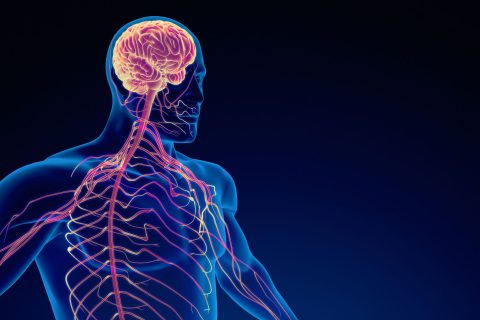
How Your Nervous System Affects Recovery

What Is the Nervous System and Why Does It Matter for Recovery

The nervous system is the body’s control center, responsible for regulating movement, stress responses, healing processes, and overall function. It communicates between the brain, spinal cord, and the rest of the body through a network of nerves. While most people focus on muscles when thinking about recovery, it is actually the nervous system that determines how well and how quickly the body can repair itself.

Recovery is not just about rest or nutrition. It is about how effectively your body can shift between states of stress and relaxation. When the nervous system is functioning properly, it allows the body to recover efficiently, reduce inflammation, and rebuild stronger tissues. When it is overloaded or dysregulated, recovery slows down, and performance suffers.

The Two Key States That Influence Recovery

To understand how recovery works, it is important to look at the two main branches of the nervous system that control how your body responds to stress and rest.

Sympathetic State

This is often referred to as the fight or flight mode. It prepares the body for action by increasing heart rate, sharpening focus, and releasing stress hormones. While this state is essential during workouts or moments of high demand, staying in it for too long can negatively affect recovery.

When the body remains in a constant sympathetic state, it becomes harder to relax, sleep quality may decline, and muscle repair processes are slowed down.

Parasympathetic State

This is known as the rest and digest mode. It supports recovery by lowering heart rate, improving digestion, and promoting healing. This is the state where your body repairs tissues, replenishes energy stores, and reduces inflammation.

Effective recovery depends on your ability to shift into this state after physical or mental stress.

How Stress Impacts Recovery

Stress is not always negative. In fact, physical training itself is a form of stress that encourages the body to adapt and grow stronger. However, the problem arises when stress becomes chronic.

Chronic stress keeps the nervous system in a heightened state of alertness. This can lead to elevated cortisol levels, which interfere with muscle repair, immune function, and sleep. Over time, this reduces your body’s ability to recover between workouts.

Mental stress, poor sleep, and even excessive training can all contribute to this imbalance. The body does not distinguish clearly between physical and emotional stress, so both can affect recovery in similar ways.

The Connection Between the Nervous System and Muscle Recovery

Muscles do not operate independently. Signals from the nervous system control every contraction, stretch, and movement. This means that muscle recovery is closely tied to how well these signals are functioning.

When the nervous system is fatigued, it can lead to slower reaction times, reduced strength output, and decreased coordination. This is often referred to as central fatigue. Even if your muscles feel capable, your body may not be able to fully activate them.

On the other hand, a well-regulated nervous system enhances muscle activation, improves coordination, and allows for more efficient recovery. This leads to better performance and reduced risk of injury.

Sleep and Its Role in Nervous System Recovery

Sleep is one of the most important factors in recovery, and it is directly influenced by the nervous system. During deep sleep, the body shifts into a restorative state that supports tissue repair, hormone regulation, and cognitive function.

If the nervous system remains in a heightened state due to stress or overstimulation, it can disrupt sleep patterns. This leads to reduced recovery capacity and increased fatigue.

Quality sleep allows the body to reset. It supports the production of growth hormone, which plays a key role in muscle repair and recovery. It also helps regulate cortisol levels, keeping stress in check.

Creating a consistent sleep routine and minimizing stimulation before bedtime can significantly improve recovery outcomes.

Signs Your Nervous System May Be Overloaded

Recognizing the signs of an overloaded nervous system can help you adjust your routine before it leads to burnout or injury.

Persistent Fatigue

Feeling tired even after rest can indicate that your body is not recovering properly.

Poor Sleep Quality

Difficulty falling asleep or staying asleep is a common sign of imbalance.

Decreased Performance

A drop in strength, endurance, or coordination can signal nervous system fatigue.

Increased Muscle Tightness

Chronic tension in muscles may be linked to heightened stress levels.

Reduced Motivation

A lack of drive to train or engage in physical activity can be a sign of burnout.

How Movement Practices Like Pilates Support Recovery

Pilates is highly effective in supporting recovery because it focuses on controlled movement, breathing, and body awareness. These elements help regulate the nervous system and promote a shift toward a more relaxed state.

Through precise and intentional exercises, Pilates encourages balanced muscle activation and reduces unnecessary tension. This allows the body to move more efficiently and recover more effectively.

Breathing techniques used in Pilates also play a key role. They help calm the nervous system, improve oxygen delivery, and support relaxation. Over time, this can enhance your ability to recover between workouts and manage stress more effectively.

Strategies to Support Your Nervous System for Better Recovery

Improving recovery requires a holistic approach that goes beyond exercise alone. Supporting your nervous system can have a significant impact on how your body heals and performs.

Prioritize Sleep

Aim for consistent, high-quality sleep each night. Create a routine that allows your body to wind down and enter a restful state.

Manage Stress Levels

Incorporate relaxation techniques such as deep breathing, meditation, or light movement to help reduce stress.

Balance Training Intensity

Avoid pushing your body to its limits every day. Include rest days and lower intensity sessions to allow proper recovery.

Stay Active with Low Intensity Movement

Gentle activities such as walking or mobility exercises can promote blood flow and support recovery without adding stress.

Focus on Breathing

Practicing controlled breathing can help shift your body into a more relaxed state, improving recovery.

The Importance of Consistency in Recovery

Recovery is not something that happens overnight. It requires consistent effort and attention to how your body responds to different types of stress.

By supporting your nervous system regularly, you create an environment where your body can adapt, grow, and perform at its best. This leads to long-term improvements in strength, mobility, and overall well-being.

Consistency also helps prevent setbacks. Rather than waiting for signs of fatigue or injury, proactive recovery ensures that your body remains resilient and capable.

Long-Term Benefits of a Well-Regulated Nervous System

When your nervous system is functioning optimally, the benefits extend far beyond recovery.

Improved Performance

Better coordination and muscle activation lead to stronger and more efficient movement.

Reduced Risk of Injury

Balanced stress levels and proper recovery reduce strain on the body.

Enhanced Mental Clarity

A well-regulated system supports focus, decision-making, and overall cognitive function.

Greater Energy Levels

Efficient recovery allows you to maintain consistent energy throughout the day.

Better Overall Health

Supporting your nervous system contributes to improved immune function and reduced inflammation.

Final Thoughts on Recovery and the Nervous System

Recovery is not just about what you do after a workout. It is about how your body responds to stress and how effectively it can return to a state of balance. The nervous system plays a central role in this process, influencing everything from muscle repair to sleep quality.

By understanding how it works and taking steps to support it, you can improve your recovery, enhance performance, and reduce the risk of burnout or injury. Small changes in your daily routine can make a significant difference over time.

Ready to Improve Your Recovery and Performance

If you want to support your nervous system and recover more effectively, ActiveRange Method offers guided Pilates sessions designed to help you move better, reduce stress, and build lasting strength. Get in touch with us today!


Recovery Strategies That Maximize Muscle Growth

Building muscle is not just about how hard you train. What happens after your workout plays an equally important role in how much strength and size you gain. Many people focus entirely on lifting heavier weights or increasing volume, but without proper recovery strategies, progress slows down, and injuries become more likely.
Muscle growth happens when training creates small amounts of damage to muscle fibres. The body then repairs and rebuilds those fibres stronger and thicker than before. If you do not give your body enough time and support to repair itself, you limit your results. Understanding how to optimize recovery is essential for anyone serious about maximizing muscle growth.

Why Recovery Is Essential for Muscle Hypertrophy

Muscle hypertrophy depends on three main factors: mechanical tension, metabolic stress, and muscle damage. Training provides these stimuli. Recovery allows adaptation.

When you lift weights, your nervous system, connective tissues, and muscles are all stressed. During rest, your body replenishes glycogen stores, repairs microtears in muscle fibres, balances hormones, and reduces inflammation. Without adequate recovery, you may experience:


• Decreased performance
• Persistent soreness
• Fatigue and low motivation
• Increased risk of injury
• Hormonal imbalances
Strategic rest is not a sign of weakness. It is a requirement for growth.

Prioritizing High Quality Sleep

Sleep is one of the most powerful tools for muscle development. During deep sleep, the body releases growth hormone, which plays a major role in tissue repair and muscle protein synthesis.

Most adults need seven to nine hours of quality sleep per night. Athletes who train intensely may benefit from even more. To improve sleep quality:
• Keep a consistent sleep schedule
• Avoid screens at least one hour before bed
• Keep your bedroom cool and dark
• Limit caffeine in the afternoon and evening
Chronic sleep deprivation reduces testosterone levels and increases cortisol. Elevated cortisol can interfere with muscle building and recovery. If your goal is to maximize gains, sleep must be non-negotiable.

Optimizing Nutrition for Muscle Repair

Nutrition is a cornerstone of effective recovery strategies. After training, your body needs nutrients to rebuild muscle tissue and replenish energy stores.

Protein Intake

Protein provides the amino acids required for muscle repair. Most individuals looking to build muscle benefit from consuming approximately 1.6 to 2.2 grams of protein per kilogram of body weight per day.
Distribute protein intake evenly throughout the day. A post-workout meal containing high-quality protein supports muscle protein synthesis.

Carbohydrates

Carbohydrates replenish glycogen, which fuels your workouts. Without sufficient carbohydrate intake, recovery slows and performance declines.
Include complex carbohydrates such as rice, potatoes, oats, and fruit to restore energy levels.

Healthy Fats

Healthy fats support hormone production, including testosterone. Include sources such as olive oil, avocados, nuts, and fatty fish to maintain hormonal balance.
Hydration is equally important. Even mild dehydration can impair muscle function and recovery.

Managing Training Volume and Intensity

More is not always better. Excessive volume without proper rest leads to overtraining and stalled progress.

Progressive overload is essential, but it must be balanced with structured rest. Consider:


• Scheduling rest days
• Alternating heavy and moderate sessions
• Incorporating deload weeks every four to eight weeks
A deload week reduces training intensity or volume, allowing the body to fully recover before the next growth phase.
Listening to your body is critical. Persistent fatigue, joint pain, and declining performance are signs that recovery needs improvement.

Active Recovery and Mobility Work

Recovery does not always mean complete inactivity. Active recovery involves low-intensity movement that promotes circulation without adding significant stress.

Examples include:
• Light cycling
• Walking
• Swimming
• Mobility exercises
Improved blood flow delivers oxygen and nutrients to muscles, helping reduce soreness.
Mobility work and stretching maintain joint health and improve the range of motion. Foam rolling may also help reduce muscle tightness and improve flexibility.

Stress Management and Hormonal Balance

Chronic stress negatively impacts muscle growth. High stress levels elevate cortisol, which can interfere with muscle repair and increase fat storage.
To manage stress:


• Practice deep breathing techniques
• Spend time outdoors
• Engage in hobbies
• Maintain social connections
Mental recovery is just as important as physical recovery. When stress is controlled, your body can focus on rebuilding muscle efficiently.

The Role of Supplementation

While whole foods should form the foundation of your nutrition, certain supplements can support recovery.

Creatine Monohydrate

Creatine enhances strength performance and supports muscle cell hydration. It may also improve recovery between sets and sessions.

Omega-3 Fatty Acids

Omega-3s can help reduce inflammation and support joint health.

Magnesium

Magnesium plays a role in muscle contraction and relaxation. Adequate intake may improve sleep quality and reduce muscle cramps.
Supplements are supportive tools, not replacements for sleep, nutrition, and smart training.

The Importance of Periodization

Structured programming ensures long-term progress. Periodization involves planning phases of training that vary in intensity and volume.
For example:
• Hypertrophy phase focused on moderate weights and higher repetitions
• Strength phase focused on heavier weights and lower repetitions
• Deload phase focused on reduced volume
This strategic variation allows the body to adapt while preventing burnout.
Proper programming is one of the most overlooked recovery strategies in muscle building.

Tracking Progress and Adjusting

Monitoring performance, body measurements, and overall energy levels helps identify when recovery needs improvement.
Keep track of:
• Workout performance
• Body weight and measurements
• Sleep duration
• Energy levels
If strength declines or soreness persists longer than usual, adjustments may be necessary. Sometimes small changes in sleep, calorie intake, or training frequency make a significant difference.

Common Recovery Mistakes to Avoid

Many individuals sabotage muscle growth unintentionally. Common mistakes include:


• Skipping rest days
• Under eating
• Sleeping less than six hours per night
• Ignoring persistent pain
• Doing excessive cardio
Cardio has benefits for cardiovascular health, but too much high-intensity cardio can interfere with muscle building if not programmed correctly.
Balance is key.

Building a Sustainable Routine

Long-term success depends on sustainability. Extreme diets and nonstop training sessions are not realistic for most people.
Instead:


• Train with intensity but allow structured rest
• Eat enough to support growth
• Prioritize sleep consistently
• Manage life stress
Consistency over months and years leads to noticeable transformation.
Muscle growth is a long-term process. The individuals who respect recovery make steady progress without setbacks.

Final Thoughts on Maximizing Muscle Growth

Training provides the stimulus for growth, but recovery enables adaptation. When sleep, nutrition, stress management, and intelligent programming work together, muscle gains accelerate.
Focusing on proper recovery strategies ensures that each workout builds upon the previous one rather than breaking the body down.

If you are serious about building strength and muscle in a structured, supportive environment, ActiveRange Method provides professional coaching and personalized programs. Serving Newmarket, Aurora, East Gwillimbury, and Mount Albert, their team helps you train smarter and recover better so you can achieve long-term results. Contact us today!

Designing Rehabilitation Workouts After Injury Recovery

Recovering from an injury is only one part of the healing process. Returning to normal movement, strength, and confidence requires a structured and thoughtful approach to exercise. Rehabilitation workouts are designed to bridge the gap between initial recovery and a full return to daily activities or sport. When done correctly, they help restore function, reduce the risk of reinjury, and support long-term physical resilience.

Understanding the Purpose of Rehabilitation Workouts

Rehabilitation workouts focus on restoring movement quality rather than pushing intensity. After an injury, the body often adapts by compensating, which can lead to imbalances and inefficient movement patterns. These workouts aim to correct those compensations while rebuilding strength and control.

The goal is not to rush the process but to reintroduce movement in a way that supports healing tissues. Properly designed programs prioritize safety, gradual progression, and individual needs.

The Transition From Injury Recovery to Training

Many people struggle during the transition from rest or therapy to regular exercise. Jumping back into full training too quickly can overload healing tissues and increase the risk of setbacks.

Rehabilitation workouts provide a structured progression that reintroduces load, range of motion, and coordination. This transition phase is critical for restoring confidence and physical capability without unnecessary strain.

Assessing Movement After Injury

Before beginning structured exercise, a movement assessment helps identify limitations and asymmetries that may have developed during recovery. Pain may have subsided, but movement restrictions or weakness often remain.

Assessments evaluate mobility, stability, balance, and coordination. Understanding these factors allows exercises to be selected and modified appropriately, ensuring that rehabilitation workouts address the root of movement limitations rather than just symptoms.

Restoring Range of Motion Safely

Limited range of motion is common after injury due to stiffness, swelling, or protective movement patterns. Restoring range of motion is an important early focus in rehabilitation.

Exercises are introduced gradually and performed within comfortable limits. Controlled movements encourage joints to move freely while respecting tissue healing timelines. Over time, consistent practice helps restore natural movement without forcing positions.

Rebuilding Strength After Injury

Strength loss often occurs during periods of reduced activity. Muscles surrounding the injured area may weaken, affecting joint support and overall movement quality.

Rehabilitation workouts reintroduce strength training in a controlled manner. Exercises start with lighter loads and emphasize proper alignment and muscle activation. This approach helps rebuild strength while protecting vulnerable tissues.

Improving Stability and Control

Stability is essential for safe movement, especially after injury. Weak or delayed stabilizing muscles can increase stress on joints and lead to compensations.

Targeted stability exercises help retrain the body to control movement effectively. These exercises often focus on areas such as the hips, shoulders, and core, which play a key role in overall movement coordination.

Addressing Muscle Imbalances

Injuries often create muscle imbalances as the body adapts to protect the affected area. Over time, these imbalances can limit performance and increase reinjury risk.

Rehabilitation workouts are designed to restore balance between muscle groups. Strengthening underactive muscles and reducing reliance on dominant ones supports more symmetrical and efficient movement.

Gradual Progression and Load Management

Progression is a key element of effective rehabilitation. Increasing difficulty too quickly can overwhelm healing tissues, while progressing too slowly may limit improvement.

Programs are structured to increase intensity, volume, or complexity gradually. This allows the body to adapt safely and builds confidence in movement. Monitoring how the body responds to each stage helps guide appropriate adjustments.

Reintroducing Functional Movements

Everyday activities and sport-specific movements place unique demands on the body. Rehabilitation workouts incorporate functional movements that mimic real-life tasks.

Squatting, reaching, stepping, and rotational movements are reintroduced with proper guidance. This prepares the body for the demands of daily life and athletic activity while reinforcing healthy movement patterns.

The Role of Balance and Coordination

Balance and coordination are often affected after injury, particularly when weight-bearing or joint stability is involved. Rehabilitation workouts include exercises that challenge balance in a controlled environment.

Improving coordination helps the body respond more effectively to unexpected movements. This is especially important for preventing falls and supporting safe return to sport or active lifestyles.

Breathing and Nervous System Support

Breathing patterns often change during injury recovery due to pain or protective tension. Shallow or restricted breathing can limit movement quality and increase fatigue.

Rehabilitation workouts incorporate breathing strategies that support relaxation and proper muscle activation. Controlled breathing helps regulate the nervous system and enhances movement efficiency.

The Importance of Consistency

Consistency plays a major role in successful rehabilitation. Performing exercises regularly reinforces proper movement patterns and supports steady progress.

Short, focused sessions performed consistently are often more effective than infrequent, intense workouts. This approach reduces fatigue while maintaining momentum throughout recovery.

Avoiding Common Rehabilitation Mistakes

One common mistake is returning to full activity too soon. Pain reduction does not always mean the body is ready for high demands.

Another mistake is neglecting movement quality in favour of intensity. Rehabilitation workouts prioritize control and precision to ensure long-term success. Listening to the body and adjusting as needed helps avoid setbacks.

Individualizing Rehabilitation Workouts

No two injuries or individuals are the same. Tailored programs consider injury history, movement limitations, goals, and lifestyle demands.

Personalized rehabilitation workouts adapt exercises and progressions to match individual needs. This customization improves outcomes and supports confidence during recovery.

Long-Term Benefits Beyond Recovery

Well-designed rehabilitation workouts provide benefits that extend beyond injury recovery. Improved movement quality, strength, and coordination support long-term joint health.

Many individuals find that they move better after rehabilitation than they did before the injury. This highlights the value of structured and intentional exercise.

When Professional Guidance Matters Most

Professional guidance ensures exercises are appropriate and performed correctly. Trainers and therapists can identify compensations, adjust programs, and provide feedback that supports safe progress.

This guidance is especially valuable for complex injuries or individuals returning to demanding activities. Ongoing support helps maintain accountability and confidence.

Final Thoughts on Rehabilitation Training

Rehabilitation workouts play a critical role in restoring movement and preventing future injuries. By focusing on controlled progression, balanced strength, and movement quality, they support a safe and effective return to activity.

Recovery does not end when pain subsides. Thoughtful rehabilitation ensures the body is prepared for long-term movement and performance.

Ready to rebuild strength and confidence after injury? Contact ActiveRange Method in Newmarket and experience personalized rehabilitation support designed for safe, lasting recovery.