Post-Workout Nutrition for Better Recovery

Why Post-Workout Nutrition Matters

After a workout, your body enters a recovery phase where it begins repairing muscle tissue, restoring energy levels, and adapting to the stress you placed on it. This is where workout nutrition plays a critical role. What you eat after exercise can influence how quickly you recover, how effectively your muscles rebuild, and how prepared you are for your next session.

During exercise, your body uses stored glycogen as fuel and creates small amounts of muscle damage that need to be repaired. Without proper nutrition, this recovery process slows down, which can lead to fatigue, decreased performance, and increased risk of injury over time.

A well-planned approach to post-workout nutrition supports faster recovery, improves strength gains, and helps maintain consistent progress.

What Happens to Your Body After a Workout

Understanding how your body responds after training helps explain why nutrition is so important.

Glycogen Depletion

Your muscles rely on glycogen for energy during exercise. After a workout, these stores are partially depleted and need to be replenished.

Muscle Breakdown and Repair

Exercise creates micro tears in muscle fibres. This is a normal part of the process that leads to stronger muscles when repaired properly.

Fluid and Electrolyte Loss

Sweating during exercise leads to fluid loss, along with essential electrolytes such as sodium and potassium.

Hormonal Changes

Exercise triggers the release of hormones that influence recovery, including cortisol and growth hormone. Proper nutrition helps balance these responses.

Providing your body with the right nutrients after a workout helps optimize each of these processes.

The Key Components of Effective Workout Nutrition

Post-workout nutrition should include a balance of macronutrients and hydration to support recovery.

Protein for Muscle Repair

Protein is essential for repairing and rebuilding muscle tissue. Consuming protein after a workout provides the amino acids needed for this process.

Good sources include lean meats, eggs, dairy, legumes, and protein supplements. Aim for a moderate amount rather than excessive intake, as consistency matters more than quantity in a single meal.

Carbohydrates for Energy Replenishment

Carbohydrates help restore glycogen levels, which are critical for energy. Including carbohydrates in your post-workout meal ensures that your body is ready for future activity.

Whole grains, fruits, and vegetables are excellent sources that provide both energy and additional nutrients.

Healthy Fats for Overall Balance

While fats are not the primary focus immediately after a workout, including small amounts can support overall nutrition and help with satiety.

Hydration for Recovery

Rehydrating after exercise is essential. Water supports nutrient transport, temperature regulation, and overall recovery.

In cases of intense workouts or heavy sweating, electrolyte replacement may also be beneficial.

Timing Your Post-Workout Nutrition

There has been a lot of discussion about the ideal timing for post-workout nutrition. While the concept of a narrow window is often exaggerated, timing still plays a role.

Consuming a balanced meal within one to two hours after your workout is generally effective. This allows your body to begin the recovery process without unnecessary delay.

If you are unable to eat a full meal right away, a smaller snack containing protein and carbohydrates can help bridge the gap until your next meal.

Consistency in your overall daily nutrition is more important than perfect timing in a single instance.

Best Foods to Eat After a Workout

Choosing the right foods can make post-workout nutrition simple and effective.

Protein Rich Options

Grilled chicken, fish, eggs, Greek yogurt, and protein shakes are all convenient sources of protein.

Carbohydrate Sources

Rice, quinoa, sweet potatoes, fruits, and whole-grain bread help replenish energy stores.

Balanced Meals

Combining protein and carbohydrates creates a well-rounded meal. For example, grilled chicken with rice and vegetables or a smoothie with protein powder and fruit.

Quick Snack Ideas

If you need something fast, options like a banana with yogurt or a protein shake with oats can be effective.

The goal is to choose foods that are easy to digest and provide the nutrients your body needs.

Common Mistakes in Post-Workout Nutrition

Even with good intentions, certain habits can limit the effectiveness of your recovery.

Skipping Meals

Not eating after a workout can delay recovery and reduce performance in future sessions.

Overeating

While it is important to refuel, consuming excessive calories can offset your fitness goals.

Ignoring Hydration

Failing to rehydrate can lead to fatigue and decreased recovery.

Relying Only on Supplements

Whole foods provide a wide range of nutrients that supplements alone cannot replace.

Inconsistent Eating Patterns

Irregular nutrition habits make it difficult for your body to adapt and recover effectively.

Avoiding these mistakes helps create a more balanced and sustainable approach.

How Workout Nutrition Supports Muscle Growth

Muscle growth occurs during the recovery phase, not during the workout itself. Providing your body with the right nutrients allows it to repair damaged muscle fibres and build them stronger.

Protein supports this rebuilding process, while carbohydrates provide the energy needed for recovery. Together, they create an environment that promotes muscle growth.

Without proper workout nutrition, your body may struggle to repair itself efficiently, limiting your progress.

The Role of Nutrition in Reducing Soreness

Muscle soreness is a common part of training, especially when introducing new exercises or increasing intensity. While some soreness is normal, proper nutrition can help reduce its severity.

Protein helps repair damaged tissues, while carbohydrates replenish energy and support recovery. Hydration also plays a role by helping remove metabolic waste from the body.

Including nutrient-dense foods rich in vitamins and minerals can further support recovery and reduce inflammation.

Adapting Workout Nutrition to Your Goals

Your specific goals will influence how you approach post-workout nutrition.

For Muscle Gain

Focus on a balanced intake of protein and carbohydrates to support growth and recovery.

For Fat Loss

Maintain a calorie-controlled approach while still prioritizing protein and nutrient-dense foods.

For Endurance Training

Emphasize carbohydrate intake to replenish energy stores and support prolonged activity.

For General Fitness

A balanced approach that includes a variety of nutrients will support overall health and performance.

Adjusting your nutrition based on your goals ensures that your efforts align with your desired outcomes.

How Pilates and Recovery Work Together with Nutrition

Pilates is an excellent complement to strength training and workout nutrition. It focuses on controlled movement, alignment, and core stability, all of which support recovery.

By improving body awareness and reducing unnecessary tension, Pilates helps the body recover more efficiently. When combined with proper nutrition, it creates a comprehensive approach to fitness.

This combination enhances both performance and long-term health.

Building a Sustainable Nutrition Routine

Consistency is the key to effective workout nutrition. Rather than focusing on perfection, aim for a routine that you can maintain over time.

Plan your meals in advance when possible and keep convenient options available for busy days. Pay attention to how your body responds and adjust as needed.

Developing sustainable habits ensures that your nutrition supports your training in the long term.

Final Thoughts on Post-Workout Nutrition

Post-workout nutrition is a crucial part of any fitness routine. It supports recovery, enhances performance, and helps you achieve your goals more effectively.

By focusing on balanced meals, proper timing, and consistent habits, you can create a strong foundation for progress. Small improvements in your nutrition can lead to significant results over time.

Understanding what your body needs and providing it with the right nutrients allows you to recover better and perform at your best.

Recover Smarter with Expert Support

If you want to combine effective workout nutrition with guided movement and recovery strategies, ActiveRange Method offers structured programs designed to help you move better and feel stronger, providing service to Newmarket, Aurora, East Gwillimbury and Mount Albert. Contact us today!

Breathing Techniques for Core Strength

Why Breathing Matters for Core Strength

When most people think about building a strong core, they often focus on exercises like planks, sit-ups, or crunches. While these movements are useful, they only tell part of the story. The way you breathe plays a major role in how effectively your core muscles activate and support your body.

Breathing is directly connected to the deep muscles of the core, including the diaphragm, transverse abdominis, pelvic floor, and multifidus. These muscles work together to stabilize the spine and maintain proper alignment during movement. Without proper breathing, these muscles may not engage fully, limiting your strength and control.

Developing proper breathing techniques allows your body to create internal pressure and stability, which supports better performance in both exercise and everyday activities.

Understanding the Core Beyond Surface Muscles

The core is more than just the visible abdominal muscles. It is a complex system of deep and superficial muscles that work together to stabilize the body.

Deep Core Muscles

These include the diaphragm, transverse abdominis, and pelvic floor. They play a key role in maintaining internal pressure and supporting the spine.

Superficial Muscles

These include the rectus abdominis and obliques. They are responsible for movement and visible definition.

For true core strength, both layers must work together. Proper breathing techniques help activate the deep core, which forms the foundation for all movement.

The Role of the Diaphragm in Core Stability

The diaphragm is the primary muscle responsible for breathing, but it also plays a critical role in core stability. When you inhale properly, the diaphragm contracts and moves downward, creating space for the lungs to expand.

At the same time, the abdominal muscles and pelvic floor respond by stabilizing the trunk. This coordinated action creates intra-abdominal pressure, which supports the spine and reduces strain during movement.

If breathing is shallow or restricted, this system does not function effectively. As a result, other muscles may compensate, leading to tension, instability, and reduced performance.

Common Breathing Mistakes That Limit Core Strength

Many people develop poor breathing habits without realizing it. These habits can interfere with core activation and overall movement quality.

Chest Breathing

Breathing primarily into the chest limits diaphragm engagement and reduces core stability.

Holding the Breath

Some individuals hold their breath during exercises, which can increase pressure but reduce control and endurance.

Shallow Breathing

Taking small, quick breaths does not allow the diaphragm to function properly.

Lack of Coordination

Failing to coordinate breathing with movement can lead to inefficient muscle activation.

Correcting these habits is essential for improving both core strength and overall performance.

How Breathing Techniques Improve Core Activation

Proper breathing techniques enhance the connection between the brain and muscles. This improves coordination and allows the deep core muscles to engage more effectively.

By learning to control your breath, you can create a stable foundation for movement. This stability allows the body to generate more force while reducing the risk of injury.

Breathing also helps regulate tension. Instead of overusing superficial muscles, the body can distribute effort more evenly, leading to more efficient movement patterns.

Foundational Breathing Techniques for Core Strength

Developing strong core stability begins with mastering basic breathing techniques. These exercises can be practiced independently or integrated into your workouts.

Diaphragmatic Breathing

This technique focuses on breathing deeply into the abdomen rather than the chest. As you inhale, your abdomen expands, and as you exhale, it gently contracts.

This type of breathing activates the diaphragm and encourages proper core engagement.

360 Degree Breathing

This approach involves expanding the ribcage in all directions during inhalation. It promotes balanced pressure throughout the core, enhancing stability.

Controlled Exhalation

Exhaling slowly and fully helps engage the deep abdominal muscles. This is particularly useful during exercises that require stability and control.

Breathing with Movement

Coordinating your breath with specific phases of movement improves efficiency. For example, exhaling during exertion can help activate the core and support the spine.

Integrating Breathing Techniques into Exercise

To fully benefit from breathing techniques, it is important to apply them during physical activity.

During Strength Training

Using proper breathing helps maintain stability and improve lifting performance. Inhaling before a movement and exhaling during exertion can enhance control.

During Pilates

Pilates places a strong emphasis on breathing. Each movement is paired with a specific breathing pattern to maximize effectiveness.

During Functional Movements

Everyday activities such as lifting objects or bending down can benefit from proper breathing. This reduces strain and supports joint health.

Consistency is key. The more you practice, the more natural these patterns become.

The Connection Between Breathing and Posture

Posture is closely linked to breathing patterns. Poor posture can restrict the diaphragm and limit lung expansion, leading to shallow breathing.

On the other hand, proper alignment allows the diaphragm to function optimally. This supports better core activation and reduces tension in the neck and shoulders.

Improving posture and breathing together creates a positive cycle that enhances overall movement quality.

Benefits of Breathing Techniques for Core Strength

Incorporating breathing techniques into your routine offers a wide range of benefits.

Improved Stability

Better core engagement leads to increased stability during movement.

Enhanced Performance

Efficient breathing allows for greater strength and endurance.

Reduced Risk of Injury

Proper core activation protects the spine and joints.

Better Body Awareness

Understanding how your body moves helps you make more effective adjustments.

Increased Relaxation

Breathing techniques can also reduce stress and promote recovery.

How Pilates Reinforces Proper Breathing

Pilates is one of the most effective methods for learning and applying breathing techniques. It emphasizes controlled movement, alignment, and mindful breathing.

Through guided exercises, Pilates teaches you how to coordinate breath with movement, engage the deep core, and maintain stability. This not only improves core strength but also enhances overall movement efficiency.

By incorporating Pilates into your routine, you can develop a deeper understanding of how breathing supports your body.

Building a Routine That Supports Core Strength

To see lasting results, it is important to practice breathing techniques consistently. Start with simple exercises and gradually integrate them into your workouts.

  • Focus on quality rather than quantity. Even a few minutes of dedicated practice each day can make a significant difference.
  • Combining breathing techniques with strength training and mobility work creates a balanced approach to fitness.

Common Challenges and How to Overcome Them

Learning new breathing patterns can feel unfamiliar at first. It takes time and practice to develop proper coordination.

Lack of Awareness

Many people are not used to paying attention to their breath. Start by practicing in a quiet environment.

Difficulty Relaxing

Tension can interfere with breathing. Focus on slow, controlled movements to help your body relax.

Inconsistency

Regular practice is essential. Set aside time each day to reinforce proper patterns.

With patience and consistency, these challenges can be overcome.

Long-Term Impact of Proper Breathing on Core Strength

Over time, proper breathing techniques can transform how your body moves and performs. A strong and stable core supports every aspect of physical activity, from basic movements to advanced training.

By improving your breathing, you enhance your ability to generate power, maintain balance, and reduce strain on your body. This leads to better performance and a lower risk of injury.

The benefits extend beyond fitness. Improved breathing can also support relaxation, focus, and overall well-being.

Final Thoughts on Breathing Techniques for Core Strength

Breathing is one of the most fundamental yet overlooked aspects of core strength. By focusing on proper breathing techniques, you can unlock greater stability, control, and efficiency in your movements.

Rather than relying solely on traditional core exercises, integrating breathing into your routine provides a more complete approach to building strength. It supports both performance and long-term health.

Improve Your Core with Expert Guidance

If you are ready to improve your core strength through proper breathing techniques and guided movement, ActiveRange Method offers structured sessions designed to help you move better and feel stronger, providing service to Newmarket, Aurora, East Gwillimbury and Mount Albert. Contact our team today!

Best Weekly Workout Split Explained

What Is a Workout Split and Why It Matters

A workout split refers to how you organize your training throughout the week by dividing muscle groups or movement patterns across different days. Instead of training the entire body in one session every time, a structured approach allows you to focus on specific areas while giving others time to recover.

Choosing the right workout split can make a significant difference in your results. It affects how well you recover, how consistently you train, and how efficiently you build strength and endurance. Without a clear structure, it becomes easy to overtrain certain muscles while neglecting others, leading to imbalances and slower progress.

A well-planned weekly structure helps you stay consistent, avoid burnout, and maximize the effectiveness of each session.

Key Factors to Consider Before Choosing a Workout Split

Not every workout split works for everyone. The best approach depends on your lifestyle, goals, and current fitness level.

Training Frequency

How many days per week you can realistically train plays a major role in determining your structure. A person training three days per week will need a different approach than someone training five or six days.

Fitness Goals

Whether your goal is building muscle, improving strength, increasing endurance, or maintaining general fitness will influence how you divide your workouts.

Recovery Ability

Recovery varies from person to person. Factors such as sleep, nutrition, and stress levels affect how quickly your body can recover between sessions.

Experience Level

Beginners often benefit from simpler routines, while more advanced individuals may require more targeted splits to continue progressing.

Time Availability

Each workout should fit within your schedule. A plan that is too time-consuming is difficult to maintain long-term.

Full Body Workout Split

A full-body workout split involves training all major muscle groups in a single session. This approach is typically performed two to four times per week.

Benefits of Full Body Training

Full body routines are efficient and ideal for beginners or those with limited time. They allow for frequent stimulation of each muscle group, which can support consistent progress.

This type of split also helps improve overall coordination and movement patterns, as exercises often involve multiple muscle groups working together.

When to Choose Full Body

If you are new to training, returning after a break, or have a busy schedule, this is one of the most effective ways to build a strong foundation.

Upper and Lower Body Split

This split divides workouts into upper-body and lower-body days. It is commonly performed four times per week.

Benefits of Upper and Lower Split

By separating the body into two halves, you can focus more on each area while still allowing adequate recovery time. This approach strikes a balance between volume and recovery.

It also provides flexibility. If you miss a session, it is easier to adjust without disrupting the entire week.

Sample Weekly Structure

Day 1 Upper Body
Day 2 Lower Body
Day 3 Rest or Active Recovery
Day 4 Upper Body
Day 5 Lower Body

This structure allows each muscle group to be trained twice per week, which is effective for both strength and muscle development.

Push Pull Legs Split

The push-pull legs split is one of the most popular workout split structures. It divides training based on movement patterns rather than specific muscle groups.

Push Days

Focus on exercises that involve pushing movements such as the chest, shoulders, and triceps.

Pull Days

Target pulling movements, including the back and biceps.

Leg Days

Dedicated to lower body training, including quadriceps, hamstrings, and glutes.

Benefits of Push Pull Legs

This split allows for balanced development and efficient recovery. Since each movement pattern is grouped together, it reduces overlap and fatigue.

It is especially effective for intermediate and advanced individuals who can train five to six days per week.

Body Part Split

A body part split focuses on one or two muscle groups per session. This approach is often associated with traditional bodybuilding routines.

Benefits of Body Part Training

This method allows for high-volume training on specific muscle groups, which can be beneficial for hypertrophy.

It also provides ample recovery time for each muscle group, as they are typically trained once per week.

Considerations

While effective for advanced lifters, beginners may not benefit as much from this approach due to lower training frequency per muscle group.

Choosing the Best Workout Split for Your Goals

The best workout split is one that aligns with your goals and allows for consistent progress.

For Strength and Muscle Growth

Training each muscle group two times per week is often ideal. Upper, lower, or push pull legs splits work well for this purpose.

For General Fitness

A full body routine performed multiple times per week can provide balanced results.

For Fat Loss

Consistency and overall activity level matter more than the specific split. Choose a structure that allows you to stay active and maintain intensity.

For Busy Schedules

Full body or upper lower splits offer flexibility and efficiency, making them easier to maintain.

The Importance of Recovery in Any Workout Split

  • Recovery is a critical component of any workout split. Without proper recovery, progress can stall and the risk of injury increases.
  • Rest days allow muscles to repair and grow stronger. They also help prevent fatigue from accumulating over time.
  • Active recovery, such as light movement or mobility work, can enhance circulation and support the recovery process.
  • Listening to your body and adjusting your routine when needed is essential for long-term success.

Common Mistakes When Structuring a Workout Split

Even with a good plan, certain mistakes can limit your results.

Training Too Often

More is not always better. Overtraining can lead to fatigue and decreased performance.

Ignoring Balance

Focusing too much on certain muscle groups while neglecting others can create imbalances.

Skipping Rest Days

Recovery is just as important as training. Skipping rest can slow progress.

Lack of Progression

Without gradually increasing intensity, it becomes difficult to see improvements.

Inconsistent Scheduling

Changing your routine too often can make it hard to track progress and stay consistent.

How Pilates Can Enhance Your Workout Split

Pilates can be a valuable addition to any workout split. It focuses on core stability, alignment, and controlled movement, which support overall performance.

Incorporating Pilates sessions into your weekly routine can improve mobility, reduce muscle tension, and enhance recovery. It also helps correct imbalances that may develop from strength training.

This combination creates a more balanced approach to fitness, improving both strength and movement quality.

Building a Sustainable Weekly Routine

The key to long-term success is sustainability. Your workout split should fit your lifestyle and be easy to maintain over time.

Start with a structure that matches your schedule and gradually adjust as your fitness level improves. Consistency is more important than complexity.

Tracking your progress and making small adjustments ensures that your routine continues to support your goals.

Final Thoughts on Choosing the Right Workout Split

A well-designed workout split provides structure, improves recovery, and supports consistent progress. Whether you choose full body, upper lower, push pull legs, or a body part split, the most important factor is how well it fits your lifestyle and goals.

By focusing on balance, recovery, and consistency, you can build a routine that helps you move better, feel stronger, and achieve lasting results.

Take the Next Step with Expert Guidance

If you are looking to build a smarter workout split and improve your overall performance, ActiveRange Method offers guided training designed to help you move better and stay consistent, providing service to Newmarket, Aurora, East Gwillimbury and Mount Albert. Contact us today to book your appointment.

Strength Training for Healthy Joints

Why Strength Training Is Essential for Joint Health

Strength training is often associated with building muscle and improving physical appearance, but its benefits go far beyond aesthetics. One of the most important yet overlooked advantages is its role in maintaining healthy joints. Joints rely on surrounding muscles, tendons, and ligaments to function properly. When these structures are strong and balanced, they provide stability and reduce unnecessary stress on joint surfaces.

Without adequate strength, joints are left vulnerable. Everyday movements such as walking, lifting, or even sitting can place uneven pressure on the body. Over time, this can lead to discomfort, stiffness, and a higher risk of injury. Strength training helps distribute forces more evenly, allowing joints to move efficiently and safely.

Understanding How Joints Function

To appreciate how strength training benefits healthy joints, it is important to understand how joints work. Joints are the points where two or more bones meet. Cartilage, synovial fluid, ligaments, and surrounding muscles support them.

Cartilage acts as a cushion, reducing friction between bones. Synovial fluid lubricates the joint, allowing smooth movement. Ligaments connect bones to each other, while muscles and tendons provide dynamic support.

When muscles are weak or imbalanced, joints can become unstable. This instability forces other structures to compensate, increasing wear and tear. Over time, this can contribute to joint pain and reduced mobility.

The Link Between Muscle Strength and Joint Stability

Muscle strength plays a direct role in joint stability. Strong muscles act as shock absorbers, reducing the load placed on joints during movement. This is especially important for weight-bearing joints such as the knees, hips, and ankles.

For example, strong quadriceps and hamstrings help stabilize the knee joint. Similarly, a well-developed core supports the spine and reduces strain on the lower back. When muscles are balanced and functioning properly, they keep joints aligned and prevent excessive movement.

This alignment is key to maintaining healthy joints over time. It allows the body to move efficiently without placing unnecessary stress on any single structure.

Benefits of Strength Training for Healthy Joints

Strength training offers a wide range of benefits that directly support joint health and overall movement quality.

Improved Stability

Strengthening the muscles around joints enhances stability, reducing the likelihood of injuries such as sprains or strains.

Better Load Distribution

Strong muscles help distribute forces evenly across joints, minimizing wear and tear.

Increased Mobility

Contrary to common belief, strength training can improve flexibility when performed with proper technique and a full range of motion.

Reduced Pain

By supporting joint structures, strength training can alleviate discomfort associated with weak or imbalanced muscles.

Enhanced Functional Movement

Everyday activities become easier and more efficient when joints are supported by strong, coordinated muscles.

Common Joint Issues Caused by Weakness

Many joint-related problems stem from muscle weakness or imbalance. Understanding these issues can help highlight the importance of strength training.

Knee Pain

Often caused by weak quadriceps or glutes, leading to poor tracking of the kneecap.

Lower Back Discomfort

A weak core can place excessive strain on the spine, resulting in pain and stiffness.

Shoulder Instability

Weak stabilizing muscles can lead to poor shoulder mechanics and increased risk of injury.

Hip Tightness

Inactive glutes and tight hip flexors can limit mobility and affect overall movement patterns.

Addressing these issues through targeted strength training can significantly improve joint function and comfort.

Key Principles for Strength Training Safely

To support healthy joints, it is important to approach strength training with proper technique and awareness.

Focus on Form

Proper alignment ensures that muscles are doing the work rather than placing unnecessary stress on joints.

Use Controlled Movements

Slow and controlled exercises help activate the correct muscles and reduce the risk of injury.

Train Through Full Range of Motion

Moving joints through their full range helps maintain flexibility and joint health.

Progress Gradually

Increasing intensity too quickly can overload joints. Gradual progression allows the body to adapt safely.

Balance Muscle Groups

Training both opposing muscle groups ensures balanced strength and prevents imbalances.

Best Strength Training Exercises for Healthy Joints

Certain exercises are particularly effective for promoting joint health. These movements focus on stability, control, and balanced muscle activation.

Squats

Strengthen the lower body while improving knee and hip stability. Proper form is essential to protect joints.

Deadlifts

Target the posterior chain, including the glutes and hamstrings, supporting the lower back and hips.

Lunges

Enhance balance and coordination while strengthening multiple muscle groups.

Planks

Build core stability, which is crucial for supporting the spine and overall movement.

Rows

Strengthen the upper back, improving posture and shoulder stability.

Resistance Band Work

Bands provide controlled resistance, making them ideal for joint-friendly strength training.

The Role of Mobility in Joint Health

Strength alone is not enough to maintain healthy joints. Mobility plays an equally important role. Mobility refers to the ability of a joint to move freely through its full range of motion.

Combining strength training with mobility work ensures that joints remain both strong and flexible. This reduces stiffness and allows for smoother movement patterns.

Incorporating dynamic stretches and mobility exercises into your routine can enhance the benefits of strength training and support long-term joint health.

How Pilates Complements Strength Training

Pilates is an excellent complement to strength training, especially when the goal is maintaining healthy joints. It focuses on controlled movement, alignment, and balanced muscle activation.

Pilates helps improve body awareness, allowing you to identify and correct movement patterns that may place stress on joints. It also strengthens stabilizing muscles that are often overlooked in traditional strength training.

By combining Pilates with strength training, you create a well-rounded approach that supports both strength and mobility.

Preventing Injuries Through Proper Training

Injury prevention is a key component of maintaining healthy joints. Strength training, when done correctly, can significantly reduce the risk of injury.

Listening to your body is essential. Pain should never be ignored, as it may indicate improper technique or excessive load. Taking rest days and allowing time for recovery also plays a crucial role.

Consistency and proper programming are more important than intensity. A balanced approach ensures long-term success without compromising joint health.

Long-Term Benefits of Training for Healthy Joints

Investing in joint health through strength training provides lasting benefits that extend beyond the gym.

Improved Quality of Life

Strong and stable joints make everyday activities easier and more comfortable.

Greater Independence

Maintaining joint health allows you to stay active and independent as you age.

Enhanced Athletic Performance

Better joint function leads to improved strength, speed, and coordination.

Reduced Risk of Chronic Conditions

Supporting joint health can help prevent issues such as arthritis and long-term pain.

Building a Sustainable Routine

Creating a routine that supports healthy joints requires consistency and balance. It is not about doing the most intense workouts but about maintaining a steady and effective approach.

Incorporate a mix of strength training, mobility work, and recovery strategies. Pay attention to how your body responds and make adjustments as needed.

Working with a knowledgeable instructor can also help ensure that your program is tailored to your needs and goals.

Final Thoughts on Strength Training for Healthy Joints

Strength training is one of the most effective ways to support healthy joints and improve overall movement quality. By building balanced muscle strength, enhancing stability, and maintaining mobility, you create a foundation for long-term health and performance.

Whether you are new to exercise or experienced in training, focusing on joint health can help you move better, feel stronger, and reduce the risk of injury. Small, consistent efforts can lead to significant improvements over time.

Start Moving Better with Expert Guidance

If you are looking to build strength while supporting healthy joints, ActiveRange Method offers guided training designed to improve stability, mobility, and overall performance, providing service to Newmarket, Aurora, East Gwillimbury and Mount Albert. Book your appointment with us today!

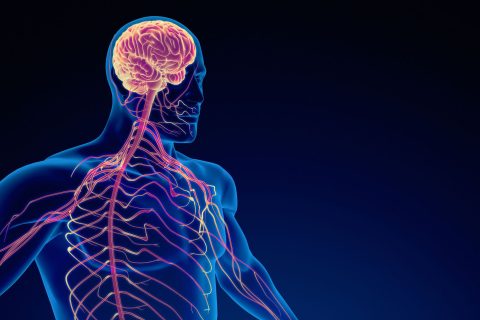
How Your Nervous System Affects Recovery

What Is the Nervous System and Why Does It Matter for Recovery

The nervous system is the body’s control center, responsible for regulating movement, stress responses, healing processes, and overall function. It communicates between the brain, spinal cord, and the rest of the body through a network of nerves. While most people focus on muscles when thinking about recovery, it is actually the nervous system that determines how well and how quickly the body can repair itself.

Recovery is not just about rest or nutrition. It is about how effectively your body can shift between states of stress and relaxation. When the nervous system is functioning properly, it allows the body to recover efficiently, reduce inflammation, and rebuild stronger tissues. When it is overloaded or dysregulated, recovery slows down, and performance suffers.

The Two Key States That Influence Recovery

To understand how recovery works, it is important to look at the two main branches of the nervous system that control how your body responds to stress and rest.

Sympathetic State

This is often referred to as the fight or flight mode. It prepares the body for action by increasing heart rate, sharpening focus, and releasing stress hormones. While this state is essential during workouts or moments of high demand, staying in it for too long can negatively affect recovery.

When the body remains in a constant sympathetic state, it becomes harder to relax, sleep quality may decline, and muscle repair processes are slowed down.

Parasympathetic State

This is known as the rest and digest mode. It supports recovery by lowering heart rate, improving digestion, and promoting healing. This is the state where your body repairs tissues, replenishes energy stores, and reduces inflammation.

Effective recovery depends on your ability to shift into this state after physical or mental stress.

How Stress Impacts Recovery

Stress is not always negative. In fact, physical training itself is a form of stress that encourages the body to adapt and grow stronger. However, the problem arises when stress becomes chronic.

Chronic stress keeps the nervous system in a heightened state of alertness. This can lead to elevated cortisol levels, which interfere with muscle repair, immune function, and sleep. Over time, this reduces your body’s ability to recover between workouts.

Mental stress, poor sleep, and even excessive training can all contribute to this imbalance. The body does not distinguish clearly between physical and emotional stress, so both can affect recovery in similar ways.

The Connection Between the Nervous System and Muscle Recovery

Muscles do not operate independently. Signals from the nervous system control every contraction, stretch, and movement. This means that muscle recovery is closely tied to how well these signals are functioning.

When the nervous system is fatigued, it can lead to slower reaction times, reduced strength output, and decreased coordination. This is often referred to as central fatigue. Even if your muscles feel capable, your body may not be able to fully activate them.

On the other hand, a well-regulated nervous system enhances muscle activation, improves coordination, and allows for more efficient recovery. This leads to better performance and reduced risk of injury.

Sleep and Its Role in Nervous System Recovery

Sleep is one of the most important factors in recovery, and it is directly influenced by the nervous system. During deep sleep, the body shifts into a restorative state that supports tissue repair, hormone regulation, and cognitive function.

If the nervous system remains in a heightened state due to stress or overstimulation, it can disrupt sleep patterns. This leads to reduced recovery capacity and increased fatigue.

Quality sleep allows the body to reset. It supports the production of growth hormone, which plays a key role in muscle repair and recovery. It also helps regulate cortisol levels, keeping stress in check.

Creating a consistent sleep routine and minimizing stimulation before bedtime can significantly improve recovery outcomes.

Signs Your Nervous System May Be Overloaded

Recognizing the signs of an overloaded nervous system can help you adjust your routine before it leads to burnout or injury.

Persistent Fatigue

Feeling tired even after rest can indicate that your body is not recovering properly.

Poor Sleep Quality

Difficulty falling asleep or staying asleep is a common sign of imbalance.

Decreased Performance

A drop in strength, endurance, or coordination can signal nervous system fatigue.

Increased Muscle Tightness

Chronic tension in muscles may be linked to heightened stress levels.

Reduced Motivation

A lack of drive to train or engage in physical activity can be a sign of burnout.

How Movement Practices Like Pilates Support Recovery

Pilates is highly effective in supporting recovery because it focuses on controlled movement, breathing, and body awareness. These elements help regulate the nervous system and promote a shift toward a more relaxed state.

Through precise and intentional exercises, Pilates encourages balanced muscle activation and reduces unnecessary tension. This allows the body to move more efficiently and recover more effectively.

Breathing techniques used in Pilates also play a key role. They help calm the nervous system, improve oxygen delivery, and support relaxation. Over time, this can enhance your ability to recover between workouts and manage stress more effectively.

Strategies to Support Your Nervous System for Better Recovery

Improving recovery requires a holistic approach that goes beyond exercise alone. Supporting your nervous system can have a significant impact on how your body heals and performs.

Prioritize Sleep

Aim for consistent, high-quality sleep each night. Create a routine that allows your body to wind down and enter a restful state.

Manage Stress Levels

Incorporate relaxation techniques such as deep breathing, meditation, or light movement to help reduce stress.

Balance Training Intensity

Avoid pushing your body to its limits every day. Include rest days and lower intensity sessions to allow proper recovery.

Stay Active with Low Intensity Movement

Gentle activities such as walking or mobility exercises can promote blood flow and support recovery without adding stress.

Focus on Breathing

Practicing controlled breathing can help shift your body into a more relaxed state, improving recovery.

The Importance of Consistency in Recovery

Recovery is not something that happens overnight. It requires consistent effort and attention to how your body responds to different types of stress.

By supporting your nervous system regularly, you create an environment where your body can adapt, grow, and perform at its best. This leads to long-term improvements in strength, mobility, and overall well-being.

Consistency also helps prevent setbacks. Rather than waiting for signs of fatigue or injury, proactive recovery ensures that your body remains resilient and capable.

Long-Term Benefits of a Well-Regulated Nervous System

When your nervous system is functioning optimally, the benefits extend far beyond recovery.

Improved Performance

Better coordination and muscle activation lead to stronger and more efficient movement.

Reduced Risk of Injury

Balanced stress levels and proper recovery reduce strain on the body.

Enhanced Mental Clarity

A well-regulated system supports focus, decision-making, and overall cognitive function.

Greater Energy Levels

Efficient recovery allows you to maintain consistent energy throughout the day.

Better Overall Health

Supporting your nervous system contributes to improved immune function and reduced inflammation.

Final Thoughts on Recovery and the Nervous System

Recovery is not just about what you do after a workout. It is about how your body responds to stress and how effectively it can return to a state of balance. The nervous system plays a central role in this process, influencing everything from muscle repair to sleep quality.

By understanding how it works and taking steps to support it, you can improve your recovery, enhance performance, and reduce the risk of burnout or injury. Small changes in your daily routine can make a significant difference over time.

Ready to Improve Your Recovery and Performance

If you want to support your nervous system and recover more effectively, ActiveRange Method offers guided Pilates sessions designed to help you move better, reduce stress, and build lasting strength. Get in touch with us today!

Fix Muscle Imbalances with Pilates

Understanding Muscle Imbalances and Why They Matter

Muscle imbalances occur when certain muscles become stronger or tighter than their opposing counterparts. Over time, this imbalance can affect how your body moves, leading to poor posture, discomfort, reduced performance, and even injury. Many people develop these patterns without realizing it, often due to repetitive daily habits such as sitting for long hours, favouring one side of the body, or performing exercises with improper form.

When the body is not functioning in balance, it compensates. This means some muscles overwork while others become underactive. The result is inefficient movement patterns that can impact everything from walking and lifting to athletic performance.

Addressing these issues early is key to maintaining long-term physical health and preventing chronic pain.

Common Causes of Muscle Imbalances

Understanding the root causes helps you correct the problem effectively. Several factors contribute to muscle imbalances, including lifestyle, training habits, and previous injuries.

Sedentary Lifestyle

Spending long hours sitting, especially with poor posture, can tighten the hip flexors and weaken the glutes and core. This is one of the most common imbalances seen today.

Repetitive Movements

Performing the same movements repeatedly, whether in sports or work, can lead to overdevelopment of certain muscles while others are neglected.

Improper Training Techniques

Lifting weights with poor form or focusing too much on certain muscle groups can create uneven strength throughout the body.

Injury and Compensation

After an injury, the body naturally compensates to avoid pain. These compensations can persist even after recovery, leading to long-term imbalances.

Signs You May Have Muscle Imbalances

Recognizing the signs early can help you take action before the issue worsens.

Uneven Strength

One side of your body feels stronger or more stable than the other during exercises.

Poor Posture

Rounded shoulders, anterior pelvic tilt, or a forward head position are common indicators.

Frequent Discomfort or Tightness

Chronic tightness in areas like the neck, shoulders, or hips may signal an underlying imbalance.

Limited Range of Motion

Difficulty moving through a full range of motion during exercises or daily activities can point to restrictions.

Recurring Injuries

Repeated strains or discomfort in the same area often indicate that certain muscles are overcompensating.

Why Pilates Is Effective for Correcting Muscle Imbalances

Pilates is uniquely suited to address muscle imbalances because it focuses on controlled movement, alignment, and balanced muscle activation. Unlike many traditional workouts that prioritize intensity or load, Pilates emphasizes quality of movement.

Focus on Core Stability

A strong and stable core acts as the foundation for all movement. Pilates strengthens deep core muscles that support the spine and pelvis, helping restore balance throughout the body.

Controlled and Precise Movements

Each movement in Pilates is performed with intention. This helps activate underused muscles while preventing dominant muscles from taking over.

Improved Body Awareness

Pilates teaches you to understand how your body moves. This awareness allows you to identify and correct imbalances both during workouts and in everyday life.

Balanced Muscle Development

Rather than isolating muscles excessively, Pilates promotes coordinated movement patterns that encourage balanced strength.

Low Impact and Accessible

Pilates is suitable for all fitness levels, making it an effective option for those recovering from injuries or looking to prevent them.

Key Pilates Principles That Help Restore Balance

To fully benefit from Pilates, it is important to understand its foundational principles.

Alignment

Proper alignment ensures that the body moves efficiently and safely. It helps distribute effort evenly across muscles.

Control

Movements are slow and controlled, allowing you to engage the correct muscles without relying on momentum.

Breathing

Breathing supports muscle activation and helps maintain rhythm and focus during exercises.

Precision

Each movement is performed with attention to detail, ensuring maximum effectiveness.

Concentration

Mindful movement enhances the connection between your brain and muscles, which is essential for correcting imbalances.

Pilates Exercises That Target Muscle Imbalances

Certain Pilates exercises are particularly effective at addressing muscle imbalances. These movements focus on activating weaker muscles while improving overall coordination.

The Hundred

This exercise engages the deep core muscles while promoting proper breathing patterns. It helps build foundational stability.

Single Leg Stretch

By working one side of the body at a time, this exercise highlights and corrects imbalances between the left and right sides.

Glute Bridge

Strengthens the glutes and hamstrings while reducing reliance on the lower back, which is often overworked.

Side Leg Series

Targets the hip abductors and stabilizers, which are commonly weak due to prolonged sitting.

Spine Stretch Forward

Improves flexibility in the posterior chain and encourages proper spinal alignment.

Plank Variations

Enhances core strength and stability while promoting balanced engagement across the body.

How Pilates Improves Posture and Movement Patterns

Posture plays a significant role in the development of muscle imbalances. Pilates helps retrain the body to maintain proper alignment both at rest and during movement.

By strengthening the muscles that support the spine and correcting faulty movement patterns, Pilates allows the body to move more efficiently. This reduces unnecessary strain on joints and muscles, leading to improved comfort and performance.

Over time, better posture becomes second nature, reducing the likelihood of recurring issues.

Integrating Pilates into Your Fitness Routine

To effectively address muscle imbalances, consistency is key. Pilates can be integrated into your routine in several ways.

Beginner Level

Start with two to three sessions per week, focusing on basic movements and proper technique.

Intermediate Level

Incorporate Pilates alongside strength training to maintain balance while building strength.

Advanced Level

Use Pilates as a recovery and mobility tool to complement high-intensity workouts.

Combine with Strength Training

While Pilates helps correct imbalances, combining it with strength training ensures overall muscle development and performance gains.

Mistakes to Avoid When Addressing Muscle Imbalances

Even with a structured approach, certain mistakes can slow progress.

Ignoring Form

Performing exercises incorrectly can reinforce existing imbalances rather than fix them.

Skipping Warm Ups

Preparing the body ensures that muscles are ready to activate properly.

Overtraining Strong Muscles

Focusing too much on already dominant muscles can worsen the imbalance.

Lack of Consistency

Irregular training makes it difficult to see long-term improvements.

Not Seeking Guidance

Working with a qualified instructor can ensure that you are performing exercises correctly and targeting the right areas.

The Long-Term Benefits of Correcting Muscle Imbalances

Addressing muscle imbalances offers more than just short-term relief. It provides lasting improvements in overall health and performance.

Reduced Risk of Injury

Balanced muscles distribute stress more evenly, lowering the chance of strains and overuse injuries.

Improved Athletic Performance

Better movement efficiency leads to enhanced strength, speed, and coordination.

Enhanced Flexibility and Mobility

Balanced muscles allow for a greater range of motion and smoother movement.

Better Posture

Maintaining proper alignment reduces strain on the spine and surrounding muscles.

Increased Body Awareness

Understanding how your body moves helps you make better choices in both exercise and daily activities.

Why Pilates Is a Sustainable Solution

Unlike quick fixes, Pilates provides a sustainable approach to correcting muscle imbalances. It addresses the root cause rather than just the symptoms. By focusing on alignment, control, and awareness, Pilates creates lasting changes in how your body functions.

This makes it an ideal practice for individuals of all fitness levels, from beginners to experienced athletes.

Final Thoughts on Fixing Muscle Imbalances with Pilates

Muscle imbalances can develop gradually but have a significant impact on your overall well-being. Pilates offers a structured and effective way to restore balance, improve posture, and enhance movement quality.

With consistent practice, you can retrain your body to move efficiently and reduce the risk of discomfort or injury. The key is to focus on proper technique, stay consistent, and prioritize balanced muscle development.

Ready to Move Better and Feel Stronger

If you are looking to correct muscle imbalances and improve how your body moves, Pilates can make a real difference. At ActiveRange Method, our guided approach helps you build strength, improve alignment, and move with confidence.

Why Warm Ups Should Never Be Skipped

In the rush to start a workout, many people walk into the gym and head straight for heavy lifts or intense cardio. While this approach may seem efficient, skipping warm-ups is one of the most common fitness mistakes. Proper preparation before training is not optional. It is a critical part of improving performance, reducing injury risk, and maximizing long-term results.

Warm-ups prepare the body physically and mentally for exercise. They gradually increase heart rate, improve joint mobility, activate key muscle groups, and enhance focus. Whether you are lifting weights, running, or doing Pilates, preparation sets the foundation for a productive session.

What Happens in the Body During Warm Ups

When you begin moving at a low to moderate intensity, several important physiological changes occur.
Warm ups:

  • Increase blood flow to working muscles
  • Raise core body temperature
  • Improve oxygen delivery
  • Enhance nerve signal transmission
  • Increase joint lubrication
    As body temperature rises, muscles become more elastic. This allows them to contract more forcefully and stretch more safely. Cold muscles are tighter and more prone to strain.
    Gradually preparing the body improves overall movement quality before intensity increases.

Injury Prevention and Joint Protection

One of the most important reasons warm ups should never be skipped is injury prevention. Most gym injuries occur when muscles and connective tissues are not prepared for sudden stress.
Without proper preparation:

  • Muscles may strain under load
  • Tendons experience excessive tension
  • Ligaments are exposed to sudden force
  • Joints lack sufficient lubrication
    Dynamic movement increases synovial fluid in joints, which reduces friction and improves mobility. This protective effect significantly lowers the risk of acute injuries such as muscle pulls or joint irritation.

Improving Strength and Power Output

Many people believe warm ups waste energy, but research and experience show the opposite. Proper preparation enhances strength and power output.
Benefits include:

  • Improved muscle activation
  • Faster reaction time
  • Greater force production
  • Better coordination
    When the nervous system is stimulated gradually, it sends stronger and more efficient signals to working muscles. This results in improved performance during heavy lifts and explosive movements.
    Skipping preparation often leads to slower, weaker initial sets and reduced overall training quality.

Enhancing Mobility and Movement Quality

Mobility limitations are a common cause of poor exercise technique. Tight hips, stiff ankles, or restricted shoulders can lead to compensation patterns during lifts.
Warm ups that include mobility drills:

  • Improve squat depth
  • Enhance overhead positioning
  • Reduce lower back compensation
  • Promote better posture
    Dynamic stretches such as leg swings, arm circles, and controlled lunges prepare joints through an active range of motion. Unlike static stretching before heavy lifting, dynamic preparation maintains muscle readiness while improving flexibility.

Mental Preparation and Focus

Training is not only physical. It requires mental engagement and concentration. Warm ups provide a transition from daily stress into focused movement.
A structured routine:

  • Increases concentration
  • Reinforces technique cues
  • Reduces distractions
  • Builds confidence before heavy sets
    Athletes at every level use preparation rituals to prime their mindset. Entering a workout gradually allows better awareness and execution.

Types of Effective Warm Ups

Not all warm ups are equal. A proper routine should be tailored to the activity you are about to perform.
A general structure includes:

  • Light cardiovascular activity
  • Dynamic mobility work
  • Activation exercises
  • Specific movement preparation
    For example, before lower body training, you might include:
  • Light cycling or brisk walking
  • Bodyweight squats
  • Glute bridges
  • Controlled lunges
  • Gradual ramp-up sets with lighter weights
    Each step increases readiness without causing fatigue.

The Importance of Movement-Specific Preparation

General preparation raises heart rate, but sport-specific or exercise-specific preparation ensures readiness for the exact movement.
If you are preparing for heavy squats:

  • Perform lighter squats first
  • Focus on knee tracking and hip alignment
  • Gradually increase weight
    If you are preparing for upper body pressing:
  • Activate the shoulders and upper back
  • Practice controlled push-ups
  • Perform lighter pressing sets
    This gradual progression prepares muscles and joints for higher loads safely.

Reducing Muscle Tightness and Stiffness

Sitting for long periods causes tight hip flexors, rounded shoulders, and decreased spinal mobility. Jumping into intense exercise without addressing these issues increases injury risk.
Dynamic preparation:

  • Loosens tight muscle groups
  • Improves circulation
  • Restores temporary range of motion
  • Reduces discomfort during movement
    Addressing stiffness before training improves technique and reduces compensation.

Supporting Long-Term Consistency

Injuries are one of the biggest barriers to long-term progress. Even minor strains can interrupt training for weeks.
Warm ups help:

  • Reduce missed training days
  • Protect joints and connective tissue
  • Maintain steady performance
  • Extend training longevity
    Consistency is the key to transformation. Small preventive habits create major long term benefits.

Common Warm Up Mistakes

Although preparation is essential, it should be done properly. Common mistakes include:

  • Skipping entirely
  • Performing only static stretching
  • Spending too long on low-intensity cardio
  • Jumping directly into heavy weight without gradual progression
    Static stretching can reduce force output if done excessively before heavy lifting. Dynamic movement is typically more effective before strength training.

How Long Should Warm Ups Be

A well-structured routine does not need to take excessive time. In most cases, 8 to 15 minutes is sufficient.
This can include:

  • 3 to 5 minutes of light cardio
  • 3 to 5 minutes of mobility drills
  • 3 to 5 minutes of activation and ramp-up sets
    The goal is preparation, not fatigue.

Warm Ups for Different Training Styles

Different training methods require slightly different approaches.
For strength training:

  • Gradual ramp-up sets
  • Joint mobility drills
  • Core activation
    For cardio sessions:
  • Gradual increase in pace
  • Light dynamic stretching
    For Pilates or mobility training:
  • Gentle spinal articulation
  • Controlled breathing exercises
    Matching preparation to activity maximizes effectiveness.

The Long-Term Benefits of Never Skipping

Over months and years, the cumulative effect of proper preparation becomes clear.
Benefits include:

  • Reduced injury frequency
  • Improved technique consistency
  • Greater strength gains
  • Better overall mobility
  • Increased confidence during heavy lifts
    While skipping preparation may save a few minutes, it risks long term setbacks.

Final Thoughts on Warm Ups

Warm ups are not optional. They prepare muscles, joints, and the nervous system for safe and effective training. By increasing blood flow, improving mobility, and enhancing focus, they reduce injury risk and improve performance. Taking a few minutes before every session protects your progress and supports long term success.

If you want structured guidance to ensure every session is safe and productive, ActiveRange Method is based in Newmarket and offers professional coaching to Newmarket, Aurora, East Gwillimbury, and Mount Albert. Our team designs programs that prioritize preparation, proper technique, and sustainable results. Book your appointment with us today.

Progressive Overload Explained for Real Results

If you want stronger muscles, improved performance, and noticeable physical changes, there is one principle that matters more than almost any other: progressive overload. Many people train consistently yet fail to see results because they repeat the same workouts week after week without increasing the challenge. The body adapts quickly. Without gradual increases in demand, progress slows or stops completely.

Understanding how to apply progressive overload correctly allows you to build muscle, increase strength, and improve overall fitness in a structured and sustainable way. It is not about lifting the heaviest weight possible. It is about challenging your body strategically over time.

What Progressive Overload Really Means

At its core, progressive overload refers to gradually increasing the stress placed on the body during training. When muscles are exposed to greater demands than they are used to, they adapt by becoming stronger and more resilient.
This principle applies to:

  • Muscle growth
  • Strength development
  • Muscular endurance
  • Bone density
  • Athletic performance
    Without increasing stimulus, the body has no reason to change. Repeating the same weight, repetitions, and intensity eventually leads to maintenance rather than improvement.

Why the Body Adapts Quickly

The human body is highly efficient. When exposed to a new training stimulus, it responds by improving coordination, increasing muscle fibre recruitment, and strengthening connective tissues. Once it becomes comfortable with a certain load, that load no longer stimulates adaptation.
This is why beginners often see rapid gains at first. Early improvements are largely neurological. Over time, progress slows unless training variables are adjusted.
Adaptation is positive, but it also means you must continue raising the challenge carefully.

The Different Ways to Apply Progressive Overload

Increasing weight is only one method. There are several safe and effective ways to challenge the body.
You can increase:

  • The amount of weight lifted
  • The number of repetitions performed
  • The number of sets completed
  • The time under tension
  • The frequency of training sessions
  • The range of motion
    For example, if you squat 100 pounds for 8 repetitions, you could:
  • Increase to 105 pounds for 8 repetitions
  • Perform 10 repetitions with 100 pounds
  • Add an additional set
    Each method creates a slightly greater demand.

Progressive Overload and Muscle Growth

Muscle hypertrophy occurs when fibres experience enough mechanical tension and metabolic stress to stimulate adaptation. Gradual increases in workload encourage muscle fibres to grow thicker and stronger.
Key factors that influence hypertrophy include:

  • Training intensity
  • Volume
  • Recovery
  • Nutrition
    If the stimulus remains the same for too long, muscle growth slows. Small, consistent increases create long-term gains without overwhelming the body.

Progressive Overload for Strength Gains

Strength development focuses more on increasing load while maintaining proper technique. However, increasing weight too quickly can compromise form and increase injury risk.
Effective strength progression involves:

  • Gradual weight increases
  • Maintaining proper technique
  • Allowing sufficient recovery
  • Tracking performance consistently
    It is better to add five pounds consistently over several weeks than to jump twenty pounds in a single session and risk injury.

The Importance of Proper Form

Technique must always come before increasing intensity. Adding load without maintaining control defeats the purpose of structured progression.
When form deteriorates:

  • Joint stress increases
  • Target muscles become less engaged
  • Injury risk rises
  • Progress stalls due to setbacks
    Mastering movement patterns ensures that muscles, not joints or connective tissues, handle the increased demand.

The Role of Recovery in Progression

Adaptation happens during recovery, not during the workout itself. Without adequate sleep, nutrition, and rest days, the body cannot rebuild stronger.
Recovery supports:

  • Muscle repair
  • Hormonal balance
  • Nervous system restoration
  • Reduced injury risk
    If fatigue accumulates without proper rest, performance declines. Structured progression includes planned recovery phases.

Avoiding Common Overload Mistakes

Many lifters misunderstand how to apply this principle effectively. Common mistakes include:

  • Increasing weight every session without control
  • Ignoring proper technique
  • Skipping deload weeks
  • Comparing progress to others
  • Training through pain
    Progress should be individualized. Everyone adapts at different rates depending on training history, genetics, and lifestyle factors.

Tracking Progress for Real Results

Measuring progress allows you to make informed adjustments. Keeping a training log helps identify patterns and plateaus.
Track:

  • Weight used for each exercise
  • Number of repetitions and sets
  • Rest intervals
  • Perceived effort
  • Recovery quality
    If numbers are gradually increasing over weeks and months, you are applying progressive overload effectively.

The Importance of Periodization

Periodization involves structuring training into phases. Rather than increasing intensity indefinitely, phases alternate between higher-volume and higher-intensity.
A simple structure might include:

  • Hypertrophy phase with moderate weight and higher repetitions
  • Strength phase with heavier weights and lower repetitions
  • Deload phase with reduced intensity
    This structured approach prevents burnout and allows the body to adapt safely.

Progressive Overload for Beginners vs Advanced Lifters

Beginners often experience rapid improvements because their bodies are new to resistance training. Small increases produce noticeable changes.
Advanced lifters progress more slowly. Their bodies are already adapted to significant stress, so increases must be smaller and more calculated.
Beginners should focus on:

  • Learning proper technique
  • Gradual increases in repetitions
  • Building consistency
    Advanced lifters benefit from:
  • Micro loading
  • Strategic variation in volume
  • More structured recovery planning
    Progression is not linear forever. Plateaus are normal and require strategic adjustments.

Long-Term Benefits of Structured Progression

When applied correctly, progressive overload leads to:

  • Increased muscle mass
  • Greater strength
  • Improved bone density
  • Enhanced athletic performance
  • Better metabolic health
    The key is consistency. Small increases compounded over months and years produce dramatic transformations.

Mental Discipline and Patience

Real results require patience. Many people expect rapid change, but lasting progress comes from gradual improvement.
Training with discipline means:

  • Focusing on long-term goals
  • Avoiding shortcuts
  • Respecting recovery
  • Celebrating small improvements
    The compound effect of steady progression is powerful.

Final Thoughts on Progressive Overload

Progressive overload is the foundation of effective strength training. It ensures that your body continues to adapt, grow stronger, and improve performance. By gradually increasing demand while maintaining proper form and recovery, you create consistent, measurable progress.

If you want structured guidance to apply progressive overload safely and effectively, ActiveRange Method is based in Newmarket and offers professional coaching to Newmarket, Aurora, East Gwillimbury, and Mount Albert. Our team designs personalized training programs that help you build strength with long-term success in mind. Get in touch with us today!

Pilates for Strength and Stability Beyond Flexibility

When most people think of Pilates, they often associate it with stretching, flexibility, and light toning exercises. While flexibility is certainly a component, Pilates is far more than a stretching routine. It is a methodical system of controlled movement designed to improve strength, coordination, posture, and most importantly, stability throughout the body.

Originally developed by Joseph Pilates, this training method focuses on core control, balanced muscle development, and precise movement patterns. Modern athletes, rehabilitation specialists, and strength coaches incorporate Pilates into programs because of its ability to enhance performance and reduce injury risk. It is not just about becoming more flexible. It is about building a strong and resilient foundation.

Understanding Stability in Movement

Stability refers to the body’s ability to control joint position during movement. It involves coordinated muscle activation that keeps the spine, hips, shoulders, and knees aligned under load.

Without proper control, joints can shift into vulnerable positions, increasing stress on ligaments and connective tissue. Pilates strengthens deep stabilizing muscles that often go undertrained in traditional workouts.
Key areas where stability is essential include:

  • The spine during lifting and rotation
  • The hips during walking, running, and squatting
  • The shoulders during pressing and pulling movements
  • The knees during lunges and dynamic activities
    By improving control in these areas, Pilates creates a stronger base for all other forms of exercise.

Core Strength Beyond Sit Ups

One of the defining elements of Pilates is its focus on the core. However, the core is more than just visible abdominal muscles. It includes deep stabilizers such as the transverse abdominis, pelvic floor muscles, diaphragm, and multifidus.
Pilates exercises train these muscles to work together. This improves:

  • Spinal support
  • Postural alignment
  • Breathing efficiency
  • Force transfer between the upper and lower body
    Unlike high-speed or heavy lifting exercises, Pilates emphasizes controlled movement and sustained engagement. This approach strengthens muscles that protect the lower back and improve overall body control.

Controlled Movement Patterns

Pilates movements are slow, deliberate, and intentional. The focus is on quality rather than quantity. This attention to detail builds neuromuscular awareness, which means better communication between the brain and muscles.
Controlled movement:

  • Reduces joint stress
  • Improves coordination
  • Enhances muscle activation
  • Promotes balanced development
    When individuals learn to move with precision, they reduce compensatory patterns that can lead to overuse injuries.

Strength Development Through Resistance

Although Pilates is often perceived as low intensity, it can be highly challenging. Both mat and reformer-based sessions incorporate resistance in various ways.
Reformer machines use springs to create tension. This resistance challenges muscles through a full range of motion while maintaining joint support.
Pilates strengthens:

  • Glutes and hip stabilizers
  • Deep abdominal muscles
  • Upper back and scapular stabilizers
  • Hamstrings and inner thighs
    Balanced strength development helps prevent dominant muscles from overpowering weaker ones.

Improving Posture and Alignment

Modern lifestyles often involve prolonged sitting and forward head posture. Over time, this leads to tight hip flexors, rounded shoulders, and weakened posterior chain muscles.
Pilates addresses these issues by:

  • Strengthening the upper back
  • Engaging the deep core muscles
  • Encouraging neutral spine positioning
  • Improving hip alignment
    Improved posture not only enhances appearance but also reduces chronic discomfort in the neck, shoulders, and lower back.

Enhancing Athletic Performance

Athletes across many sports use Pilates to enhance performance. By improving core strength and joint control, movements become more efficient.
Benefits for athletes include:

  • Better balance during dynamic movements
  • Increased power transfer
  • Improved coordination
  • Reduced risk of injury
    Whether sprinting, lifting weights, or changing direction on a field, enhanced stability supports explosive and controlled movement.

Stability and Injury Prevention

Injury prevention is one of the strongest advantages of Pilates. Many injuries occur due to poor movement mechanics and weak stabilizing muscles.
When joints lack control:

  • The lower back compensates for weak hips
  • The shoulders compensate for poor scapular control
  • The knees collapse inward during loaded movements
    Pilates reinforces proper joint alignment and muscle engagement. By strengthening stabilizers, it reduces strain on ligaments and tendons.
    This makes it especially valuable for individuals returning from injury or those looking to prevent future setbacks.

Breathing and Mind Body Connection

Breathing plays a central role in Pilates. Controlled breathing patterns support core engagement and movement efficiency.
Proper breathing:

  • Activates deep abdominal muscles
  • Supports spinal alignment
  • Improves oxygen delivery
  • Enhances focus
    This mind-body connection improves body awareness, allowing individuals to detect poor alignment before it leads to discomfort.

Complementing Strength Training

Pilates pairs exceptionally well with traditional resistance training. While weightlifting builds raw strength and muscle mass, Pilates refines movement patterns.
Together they:

  • Improve joint control under load
  • Enhance mobility and flexibility
  • Strengthen smaller stabilizing muscles
  • Support balanced muscle development
    Adding Pilates sessions to a strength program often results in improved lifting technique and fewer aches and pains.

Supporting Long-Term Mobility

Mobility and stability work together. Too much flexibility without control can increase injury risk. On the other hand, excessive stiffness limits the range of motion.
Pilates trains muscles to control movement at the end ranges of motion. This builds strength in positions where injuries often occur.
Long-term benefits include:

  • Improved joint resilience
  • Better balance
  • Greater movement confidence
  • Reduced age-related decline in coordination
    For individuals of all ages, maintaining joint control is critical for independence and quality of life.

Who Can Benefit from Pilates

Pilates is adaptable for nearly every fitness level. It can be modified for beginners and progressed for advanced athletes.
Individuals who benefit include:

  • Office workers with postural discomfort
  • Athletes seeking performance enhancement
  • Individuals recovering from minor injuries
  • Adults looking to maintain mobility
  • Strength trainees wanting improved technique
    Its versatility makes it a valuable addition to almost any training plan.

Building Stability for Everyday Life

Beyond the gym, improved joint control enhances daily activities. Carrying groceries, climbing stairs, and lifting objects all require coordinated muscle activation.
Pilates improves:

  • Balance during walking
  • Core engagement when lifting
  • Hip control during single-leg movements
  • Shoulder positioning during overhead tasks
    This translates into better movement quality in everyday life.

Long-Term Strength and Stability Development

True strength is not just about how much weight you can lift. It is about how well your body controls movement under load. Pilates builds foundational strength that supports more advanced training.
Over time, consistent practice results in:

  • Stronger deep stabilizers
  • Improved posture
  • Better body awareness
  • Reduced injury risk
  • Enhanced athletic performance
    By prioritizing control and alignment, individuals develop a resilient and capable body.

Final Thoughts on Pilates for Strength and Stability

Pilates is far more than a flexibility program. It is a comprehensive training system that develops strength, control, posture, and stability throughout the body. By targeting deep stabilizing muscles and refining movement patterns, it creates a foundation for long-term physical health and performance.

If you are looking to improve strength and stability through structured Pilates training, ActiveRange Method is based in Newmarket and offers professional coaching to Newmarket, Aurora, East Gwillimbury, and Mount Albert. Our team provides personalized programs designed to help you move better, train smarter, and build lasting strength. Contact us today.

The Role of Nutrition in Sustainable Fat Loss

Sustainable fat loss is not about extreme restriction or temporary diets. It is about building long-term habits that allow your body to reduce stored fat while preserving muscle, strength, and energy. Nutrition plays the primary role in this process. Training supports it, but food intake determines whether progress happens consistently and safely.

Many people attempt aggressive dieting strategies that promise rapid results. While these approaches may show short-term changes on the scale, they often lead to muscle loss, fatigue, hormonal disruption, and weight regain. A structured and balanced nutritional plan creates steady, maintainable results without damaging your metabolism.

Understanding Energy Balance and Body Composition

At the most basic level, fat loss occurs when you consume fewer calories than your body uses. This creates a calorie deficit. Over time, the body pulls from stored energy, including body fat, to meet its needs.

However, the size of the deficit matters. An aggressive calorie cut can cause:

  • Muscle loss
  • Decreased metabolic rate
  • Low energy levels
  • Poor workout performance
  • Increased hunger and cravings

A moderate deficit allows the body to lose fat gradually while preserving lean muscle mass. Maintaining muscle is crucial because muscle tissue increases resting metabolic rate and improves overall body composition.

The goal is not simply to lose weight. The goal is to lose body fat while staying strong and energized.

Why Crash Diets Fail Long Term

Crash diets often eliminate carbohydrates, drastically cut calories, or rely on highly restrictive meal plans. While the scale may move quickly, much of the initial weight loss is water and glycogen.

Common consequences of extreme dieting include:

  • Intense hunger
  • Irritability and mood swings
  • Nutrient deficiencies
  • Hormonal disruption
  • Rebound overeating

When calories are cut too aggressively, the body adapts by lowering metabolic rate and increasing hunger hormones. This makes it harder to continue and easier to regain lost weight.

Sustainable nutrition focuses on realistic changes that can be maintained for months and years.

Protein and Muscle Preservation

Protein is one of the most important nutrients during fat loss. When calories are reduced, the body may break down muscle tissue if protein intake is inadequate.

Adequate protein helps:

  • Preserve lean muscle mass
  • Increase feelings of fullness
  • Support workout recovery
  • Maintain metabolic rate

Most individuals benefit from consuming approximately 1.6 to 2.2 grams of protein per kilogram of body weight when reducing body fat.

High-quality protein sources include:

  • Lean meats
  • Fish
  • Eggs
  • Greek yogurt
  • Cottage cheese
  • Legumes

Distributing protein evenly across meals improves muscle protein synthesis and appetite control.

Carbohydrates and Training Performance

Carbohydrates are often blamed for weight gain, but they are a primary fuel source for exercise and daily activity. Removing them entirely can reduce workout performance and energy levels.

Low carbohydrate intake may lead to:

  • Reduced training intensity
  • Faster fatigue
  • Decreased strength
  • Lower motivation

Complex carbohydrate sources such as rice, oats, potatoes, fruits, and vegetables provide fibre and sustained energy. When training performance stays strong, muscle mass is more likely to be preserved during a calorie deficit.

Healthy Fats and Hormonal Balance

Dietary fats are essential for hormone production. Extremely low fat intake can negatively affect hormones involved in metabolism and muscle maintenance.

Healthy fat sources include:

  • Avocados
  • Olive oil
  • Nuts and seeds
  • Fatty fish
  • Natural nut butters

Balanced fat intake supports overall health while still allowing for a controlled calorie deficit.

Fibre and Whole Food Choices

Fibre improves digestion, stabilizes blood sugar levels, and increases fullness. Whole foods are typically more filling than processed foods because they digest more slowly and contain more nutrients.

High fibre foods include:

  • Vegetables
  • Fruits
  • Whole grains
  • Beans
  • Lentils
  • Seeds

Meals built around whole foods make it easier to control calorie intake without constant hunger.

Meal Structure and Consistency

While total daily calories matter most, meal structure influences appetite and consistency. Skipping meals can lead to excessive hunger later in the day and overeating at night.

Consistent eating patterns can:

  • Improve energy stability
  • Reduce cravings
  • Support workout performance
  • Improve adherence

Some people prefer three main meals, while others benefit from smaller, more frequent meals. The best structure is one that fits your schedule and reduces the likelihood of overeating.

Hydration and Appetite Regulation

Hydration plays an important role in appetite control and performance. Mild dehydration can be mistaken for hunger.

To improve hydration:

  • Drink water consistently throughout the day
  • Increase fluid intake around workouts
  • Replace sugary drinks with water or low-calorie alternatives

Reducing liquid calories alone can significantly improve overall calorie balance.

Managing Emotional Eating

Nutrition is influenced by stress, boredom, and emotional triggers. Eating is not always driven by hunger.

Strategies to manage emotional eating include:

  • Identifying common triggers
  • Planning meals in advance
  • Keeping high-calorie snacks out of immediate reach
  • Practicing mindful eating
  • Prioritizing adequate sleep

Chronic stress increases cortisol, which can influence appetite and body fat storage. Managing stress improves nutritional consistency.

The Role of Strength Training

While nutrition drives fat loss, resistance training ensures that the weight lost comes primarily from fat rather than muscle.

Strength training:

  • Preserves lean muscle
  • Maintains metabolic rate
  • Improves insulin sensitivity
  • Enhances body composition

Combining structured training with proper nutrition produces significantly better results than dieting alone.

Realistic Expectations for Progress

Sustainable progress is gradual. For many individuals, losing approximately 0.5 to 1 percent of body weight per week is realistic.

Rapid weight changes are rarely sustainable. Instead of focusing solely on the scale, track:

  • Body measurements
  • Progress photos
  • Strength levels
  • Energy and recovery

These indicators provide a clearer picture of body composition changes.

Common Nutrition Mistakes

Many people unintentionally slow progress. Common mistakes include:

  • Underestimating calorie intake
  • Overestimating calories burned during exercise
  • Cutting protein too low
  • Eliminating entire macronutrients unnecessarily
  • Failing to plan meals

Supplements may support a healthy plan, but they cannot replace consistent, balanced nutrition.

Building a Sustainable Approach

The most effective nutrition plan is one you can follow long term. A sustainable plan:

  • Includes foods you enjoy
  • Allows flexibility for social events
  • Focuses on nutrient-dense meals
  • Supports training performance
  • Encourages steady progress

Rigid and extreme approaches often fail because they are not realistic. Long-term habits create long-term results.

Final Thoughts on Nutrition and Sustainable Fat Loss

Nutrition is the foundation of sustainable fat loss. Balanced macronutrients, adequate protein, whole foods, hydration, and structured eating habits allow the body to reduce stored fat while maintaining strength and energy.

There is no shortcut. Smart nutritional strategies combined with proper training create lasting transformation.

If you are ready to build a structured plan that supports long-term results, we offer professional coaching and personalized programs to Newmarket, Aurora, East Gwillimbury, and Mount Albert. Our team helps you train effectively while developing sustainable nutrition habits that lead to real progress. Book your appointment with us today!